
Last updated November 25, 2026
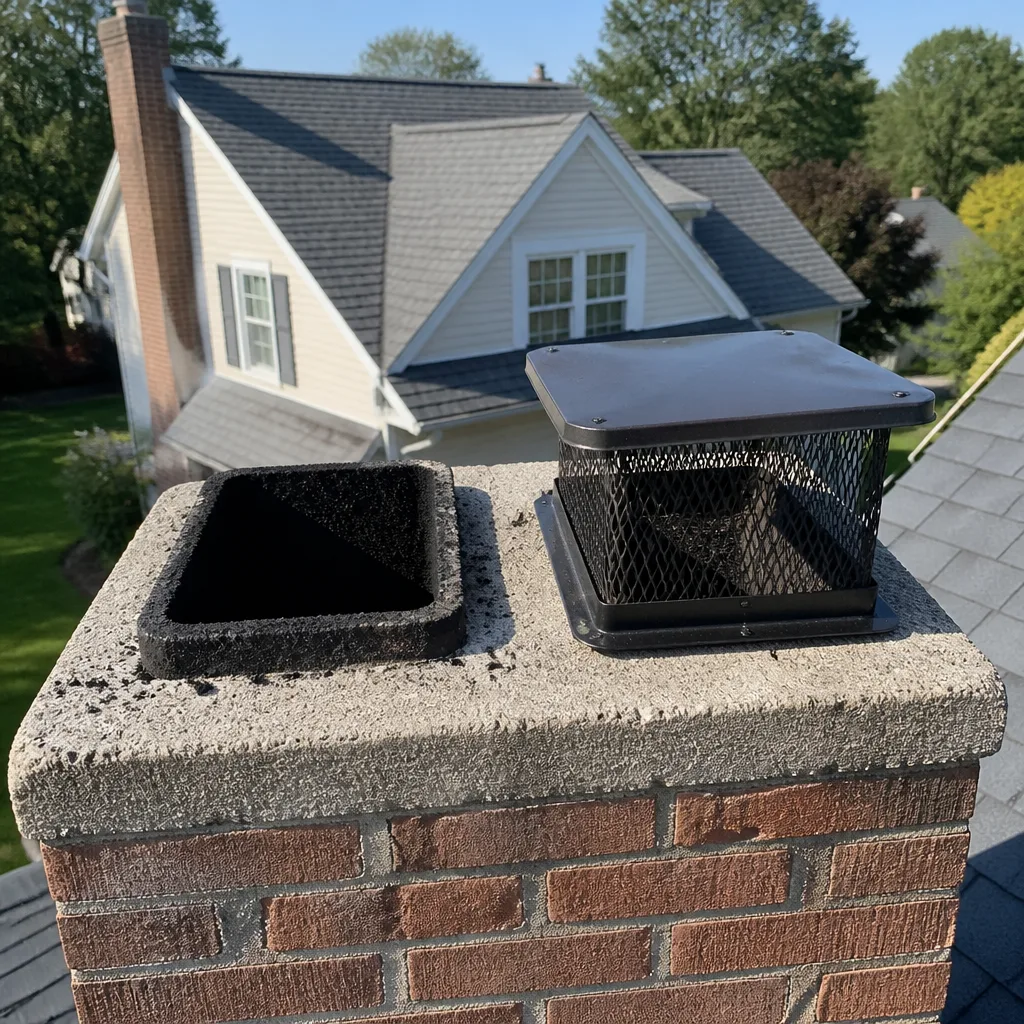 Sweep & inspection
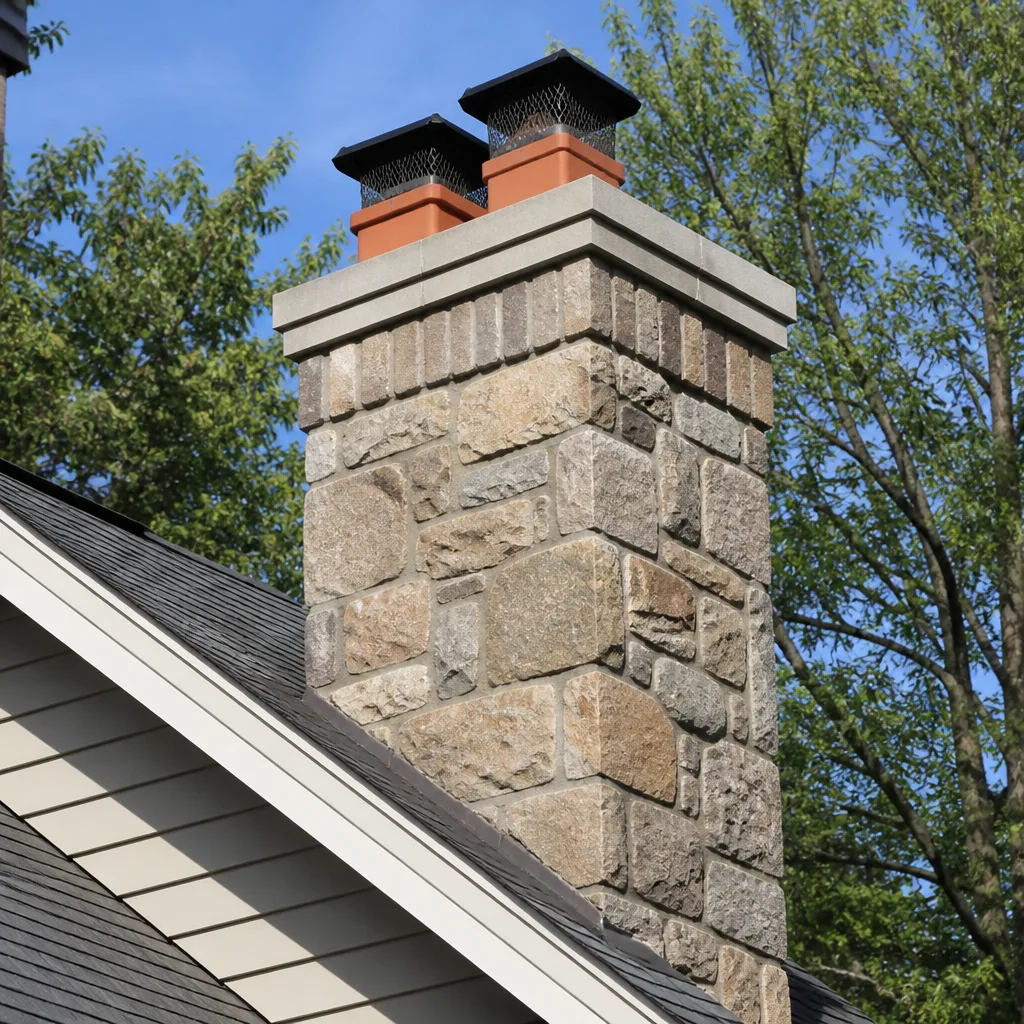 Caps & crowns
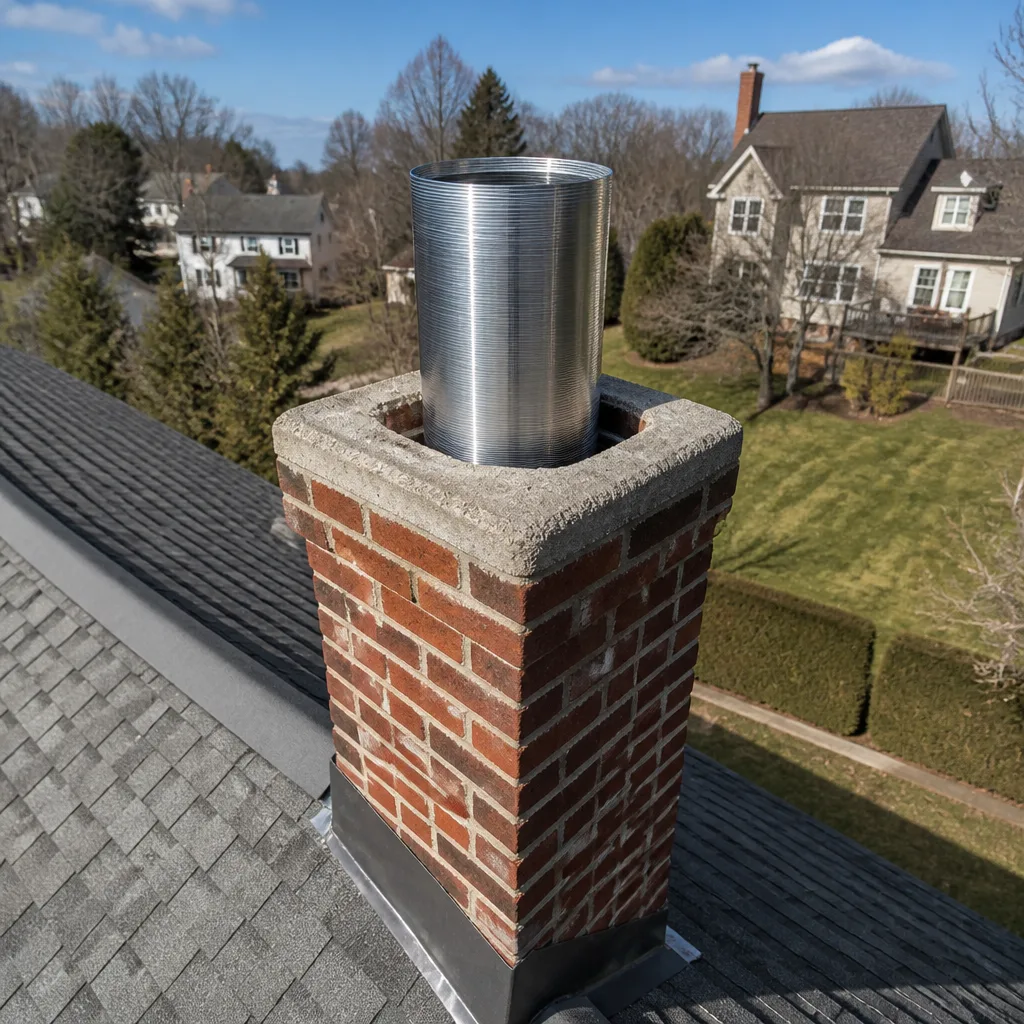 Flue relining
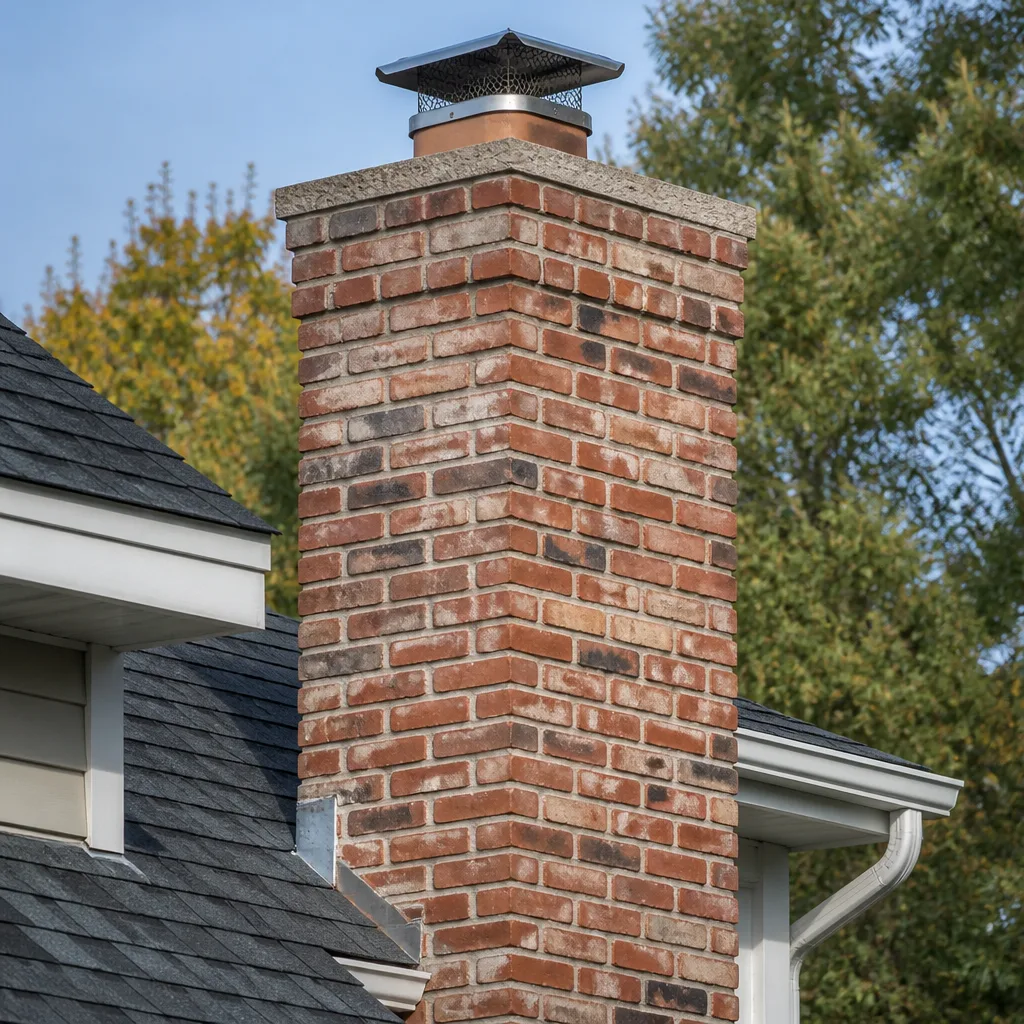 Masonry repair
 Gas fireplace service
Level 1 sweep and inspection to the NFPA 211 annual standard - flue, crown, cap, and flashing checked and photographed
Chimney sweep logs do not sweep chimneys. They loosen some creosote - which then falls where a brush and vacuum still have to collect it.
Chimney Cleaning Permits, Codes & Inspections in Wakefield, NC: What You Need to Know
The sweep itself is maintenance. The moment a contractor replaces a liner, repoints mortar, or installs a new cap insert, you’ve crossed into regulated repair territory under the NC Residential Building Code, and most homeowners have no idea where that line sits. People assume that because cleaning a chimney is routine, everything connected to it is routine too. It isn’t. Sweeping is one thing. Structural work on the flue, firebox, or chimney exterior is another, and Wake County treats it accordingly. In this guide we walk through exactly what triggers a permit in Wakefield, NC, what doesn’t, how NFPA 211 fits behind the code, how the Wake County permit process actually runs, and why unpermitted repairs come back to bite at resale. If you’ve ever wondered whether your chimney work was done legally, this is the place to start.
Quick Answer
Routine chimney cleaning in Wakefield, NC does not require a permit, but most structural repairs do: liner replacement, firebox reconstruction, and new appliance installation all fall under the NC Residential Building Code and require a Wake County permit. The work is judged against NFPA 211, the national chimney standard the code references, which also sets the inspection requirements after a liner or appliance install. Knowing which side of that line your job sits on is what keeps a repair from becoming a real estate problem later.
Styles & brands we work with
- Sweep & inspection
- Caps & crowns
- Flue relining
- Masonry repair
- Gas fireplace service
Table of Contents
- What Triggers a Chimney Permit in Wake County?
- What Chimney Work Doesn’t Need a Permit?
- How NFPA 211 Drives NC Chimney Code
- The Wake County Chimney Permit Process, Step by Step
- What Inspectors Actually Check
- Why Unpermitted Chimney Repairs Hurt at Resale
- What You Can Legally Do Yourself in NC
- Wakefield Climate, Housing, and Your Chimney
What Triggers a Chimney Permit in Wake County?
A chimney permit is triggered when the work changes the structure or the venting system of the chimney, not when it maintains it. Cleaning, sweeping, and cosmetic touch-ups stay on the maintenance side. Anything that replaces a component, alters dimensions, or connects a new appliance to the flue moves into regulated repair, and Wake County requires a permit for that work. The dividing line is structural change, and it’s a line a lot of homeowners cross without realizing it.
In our experience, the confusion comes from the word “repair.” A homeowner hears “chimney repair” and pictures patching a crack. But a liner replacement is a full-system change: you’re removing the original flue lining and installing a new one, and the venting performance of the whole chimney depends on it being done to standard. Same with firebox reconstruction. The firebox is the masonry chamber where the fire actually burns, and rebuilding it changes clearances and dimensions that the code cares about. New appliance installation is the third big one. Putting in a new wood stove or gas insert means a new appliance is now venting through your flue, and the installation has to be reviewed.
Here’s the short version of what typically needs a permit in Wakefield and across Wake County:
- Liner replacement – removing and installing a new flue liner, whether stainless or resurfaced
- Firebox reconstruction – rebuilding the masonry firebox chamber
- New appliance installation – wood stoves, gas inserts, or any new appliance venting through the chimney
- Structural chimney alterations – changes to the chimney’s footprint, height, or chase
If you’re not sure which side of the line your situation falls on, that’s the point to ask before work starts. It’s cheaper to sort out up front. If your chimney needs chimney sweep maintenance, that stays on the maintenance side and doesn’t need a permit. But the moment the conversation turns to replacing anything inside the flue, we tell homeowners to plan for the permit. That’s the honest answer, even when it’s not the one people want to hear.
What Chimney Work Doesn’t Need a Permit?
Routine maintenance doesn’t need a permit in Wakefield or anywhere else in Wake County, and it’s worth knowing what falls into that bucket so you don’t over-permit a simple job. Cleaning and sweeping are the obvious ones. Minor crown patching is another. Cap replacement is a third. None of those change the venting system or the chimney’s structure, so they stay in maintenance territory.
Let’s be specific about each.
- Chimney cleaning and sweeping – removing creosote, soot, and debris from the flue and firebox. No structural change.
- Minor crown patching – sealing small cracks in the concrete crown at the top of the chimney. Doesn’t alter the chimney’s height or dimensions.
- Cap replacement – swapping or installing a chimney cap to keep rain and animals out. Cap and crown work is a routine part of what we handle, and a cap swap on its own doesn’t trigger a permit.
- Routine inspection – a camera inspection and photo report to assess the flue. No work performed, so nothing to permit.
The gray area is crown reconstruction. If a crown has failed and needs to be rebuilt rather than patched, that starts to look like structural work, and it’s worth asking your city’s building department or a licensed contractor before assuming it’s exempt. The same goes for repointing a large section of chimney masonry. A little mortar repair on a joint is maintenance. Rebuilding a section of the chimney is not. When we look at a chimney during an inspection and find crown damage, we tell homeowners which category it falls into so there’s no guesswork. The cap and crown section of our work is where this question comes up most.
How NFPA 211 Drives NC Chimney Code
NFPA 211 is the national standard for chimneys, fireplaces, vents, and solid fuel-burning appliances, and it’s the technical backbone behind the chimney requirements in the NC Residential Building Code. The code doesn’t restate every detail; it references the standard, which means when a local inspector reviews your liner install or new appliance, they’re checking it against what NFPA 211 mandates. Understanding that standard is how you understand the code.
The standard does three jobs. First, it sets the material and installation requirements for liners, caps, and clearances. Second, it defines the levels of inspection, which is why your inspector talks in terms of a Level 1, Level 2, or Level 3 evaluation. Third, and this is the piece most homeowners miss, it requires a specific inspection after certain work. When a liner is installed or a new appliance is connected, the system has to be inspected to confirm it’s venting correctly and that clearances to combustibles are met. That post-installation inspection isn’t optional paperwork. It’s part of what makes the installation compliant.
This is where the choice of materials matters beyond just durability. A liner has to be installed to spec, and the products a chimney specialist uses are made to meet those standards, which is why we work with professional-trade brands like DuraFlex and Olympia Chimney. DuraFlex liner systems are used for complex or offset flue paths where a rigid liner won’t work, and that matters in Wakefield homes where the chimney wasn’t built in a straight shot. A hardware-store liner isn’t the same product, and it doesn’t always meet the standard a code-referenced install requires.
NFPA 211 also gives the inspector something concrete to check. Venting performance, cap integrity, clearances, and the condition of the flue before and after installation all trace back to the standard. If you ever want to know whether a repair on your chimney was done correctly, the honest test is whether it would pass an inspection judged against NFPA 211. That’s the benchmark we work to on every job, and it’s the one a Wake County inspector will use.
The Wake County Chimney Permit Process, Step by Step
For chimney work that needs a permit, the licensed contractor pulls the permit, not the homeowner, and the process runs through Wake County’s permitting office before work starts, with an inspection afterward. The turnaround depends on the office’s current volume and the scope of the job, so the honest answer is that it takes what it takes, and we plan around it rather than promising a number. Here’s how the process typically runs.
- Scope the work and identify what’s regulated. Before anything is filed, we confirm what part of the job requires the permit. A liner replacement and a minor repair are filed differently, and getting the scope right up front avoids a call-back.
- The licensed contractor pulls the permit. In Wake County, the permit is issued to the contractor performing the work, which is why using a licensed contractor on regulated repairs matters. A homeowner pulling their own permit for professional chimney work is a red flag on the record.
- The permit is issued and work is scheduled. The county reviews the application and issues the permit. Work can begin once it’s in hand, not before. This is the point where an unpermitted contractor will start work “while we wait,” which is exactly the wrong move.
- Work is performed to the code standard. The installation is done against NFPA 211 and the NC Residential Building Code requirements.
- The inspection is requested and passed. After the work is complete, the inspection is requested. The inspector reviews the installation, and once it passes, the permit is signed off and closed.
The single most common mistake in this process is skipping the inspection request. The work gets done, the permit was pulled, and nobody calls for the final inspection, so the permit sits open. That open permit becomes something the county flags later, and it’s a headache at resale. When we handle a liner install or a firebox rebuild in Wakefield, we close out the permit because a closed permit is part of the job being finished. If you want the repair done and the paperwork done, that’s the standard we hold to.
What Inspectors Actually Check
An inspector checks the elements of the installation that affect safety and venting performance: liner material and connections, clearances to combustibles, cap and crown condition, and post-installation venting. They’re not checking whether the job looks tidy. They’re checking whether it meets the code standard the permit was issued against. Knowing what they look at helps you understand why a proper job costs what it does, and why a shortcut gets flagged.
The specific points an inspection typically covers:
- Liner material and spec – the liner is the right type for the appliance and is installed to the standard. A stainless DuraFlex liner gets checked against the appliance it serves, not just its diameter.
- Connections and terminations – where the liner connects at the top and bottom, and whether the termination is correct.
- Clearances to combustibles – the space between the chimney and any framing or combustible material. This is where a lot of older Wakefield homes get flagged, because clearances that were acceptable when the house was built may not meet the current standard.
- Cap and crown integrity – the top of the chimney has to shed water and keep out animals. A failed crown or missing cap is a common inspection finding.
- Post-installation venting – that the system vents correctly after a liner or appliance install, which NFPA 211 requires.
The clearances point is the one we see surprise people most. A chimney that has worked fine for years can fail an inspection because the clearance to framing isn’t what the code requires. That’s not the inspector being difficult; it’s the standard catching up with how the house was built. Getting that sorted before the inspection saves a second visit. We walk homeowners through what an inspector will look at before work starts, so there are no surprises on the day. That’s part of the reason we handle chimney cap & crown work in-house rather than handing it to a subcontractor who won’t be there at inspection.
Why Unpermitted Chimney Repairs Hurt at Resale
Unpermitted chimney repairs become a real estate problem because they surface during a home inspection or title search, and the seller is on the hook to resolve them before closing, which can delay a sale or force a price concession. A buyer’s inspector looks at the chimney, sees a newer liner or a rebuilt firebox, and asks for the permit record. If there isn’t one, the repair is treated as unverified work, and unverified chimney work is a safety question for the buyer. That’s how a job done to save a little time and money becomes a negotiation point later.
The reason unpermitted work is treated so seriously is the specific risk it carries. Chimney liners and firebox repairs are the parts of the system that contain fire and route carbon monoxide out of the house. If a liner was installed without an inspection, there’s no record that it meets the code standard, no record that clearances were checked, and no record that the system vents correctly after installation. A buyer’s inspector can’t confirm any of that from the outside, so they flag it. The buyer then either walks or asks for a credit, and the seller ends up paying for the inspection twice plus whatever it takes to make it right.
If you’re listing a Wakefield home and you know a chimney repair was done without a permit, the honest move is to address it before the buyer’s inspector finds it. That means getting a qualified assessment of the work, determining what the county requires to make it compliant, and getting the repair or the permit sorted through a licensed contractor. In many cases the work itself is fine and just needs the proper inspection and sign-off to close it out. But that has to happen before closing, not after. We’ve seen sellers try to handle it during the option period and run out of time. Getting ahead of it is the difference between a smooth close and a renegotiation.
What You Can Legally Do Yourself in NC
In North Carolina, a homeowner can legally perform cleaning and basic maintenance on their own chimney, but regulated repairs and any work that needs a permit require a licensed contractor. Sweeping your own flue, replacing a cap, and minor crown patching are within the realm of homeowner maintenance as long as you’re doing it safely. Liner replacement and firebox reconstruction are not. The line, again, is structural change and the permit that goes with it.
It’s worth being clear about what “allowed” and “wise” mean here, because they’re not the same thing. A homeowner can legally sweep a flue, and plenty do. But a full sweep done correctly needs the right brushes, a way to contain the soot, and a check that the flue is intact, and a lot of homeowner sweeps miss the last part. The real danger in chimney work is the same one that sends people to the emergency room every year: working on a hot system, climbing a roof to reach a cap, or opening up a firebox that should be left to a trained professional. Height work and firebox work are not homeowner jobs, and a licensed contractor is the right answer for anything structural.
What your homeowner rights actually look like:
- You can sweep your own flue and clean the firebox, if you’re confident in the roof access and safety.
- You can replace a damaged cap, provided you can reach it safely and it doesn’t require structural changes.
- You can patch minor crown cracks.
- You can’t legally install a new liner, rebuild a firebox, or connect a new appliance without a licensed contractor and a permit.
The safe rule is simpler than the legal one: if the work involves the structural parts of the chimney or anything that needs a permit, treat it as professional work and leave the roof and the firebox alone. That protects both your home’s code record and you. When we talk to Wakefield homeowners, we’re happy to tell them what they can safely do themselves and what they shouldn’t. The honest answer is usually that a sweep and a quick inspection are the two things a homeowner can reasonably judge on their own, and everything else deserves a professional pair of eyes.
Wakefield Climate, Housing, and Your Chimney
Wakefield’s climate and housing stock shape how chimney wear shows up here, and that matters for knowing when a repair is due and whether it’s the kind of repair that needs a permit. Wakefield sits in the Piedmont, where summers run humid, winters are moderately cold, and the freeze-thaw cycle is enough to work on masonry without being severe. That combination produces specific patterns of wear that show up on a lot of Wakefield chimneys, and understanding them helps you know whether a job is maintenance or a regulated repair.
The humidity is the first factor. Chimneys that go unused through the summer take on moisture, and moisture that gets into masonry or a clay flue lining doesn’t leave quietly. It soaks in, and then winter comes and the freeze pulls it apart. Crowns crack, mortar joints let go, and the flue lining can spall. The practical effect for Wakefield homeowners is that the crown and the top of the chimney take more of the wear than the firebox, because that’s where water gets in. That means a lot of the repairs we see in Wakefield start at the top, and a fair number of those are crown repairs that stay on the maintenance side. A cracked crown that gets patched early stays minor. Left until the crown fails, it becomes a reconstruction, and reconstruction is the kind of work that carries a permit.
Housing age plays a role too. Wakefield has a mix of newer construction and homes from earlier decades, and older homes are more likely to have clearances that don’t meet the current code standard. If a liner is being replaced in one of those homes, the clearance issue comes up during the inspection, and the fix may go beyond the liner itself. When we assess a chimney in Wakefield, we check the crown and the cap, the flue lining, and the clearances, because those are the places this climate and this housing stock put the most stress. A liner replacement on an older home here should plan for the clearance check, and a crown in good condition should be patched before it becomes a rebuild. That’s not a sales pitch. It’s how the work actually breaks down in this area, and knowing it saves homeowners from a surprise once the permit is filed and the inspector is on the roof.
Common Mistakes to Avoid
- Assuming the whole job is unpermitted. A lot of homeowners assume they need a permit for a sweep and skip the whole process, when the real issue is the repair that follows. Get the scope right before you assume the worst.
- Letting the contractor start work before the permit is issued. If the crew is on the roof the day before the permit is issued, you’ve got unpermitted work. Wait for the permit.
- Skipping the final inspection. A permit that’s pulled but never inspected sits open on the county record and flags later. Close it out.
- Not checking clearances on an older Wakefield home. Older homes often fail the clearance check on a liner install. If that’s not part of the plan, the inspection will catch it.
- Buying a hardware-store liner and calling it a replacement. A commodity liner that doesn’t meet the code-referenced standard is a problem for the permit and for the inspection. This is why we use DuraFlex and HeatShield systems built to trade standards.
- Handling unpermitted work during the option period. If you’re selling and a past repair was unpermitted, sort it before you list, not after the buyer’s inspector finds it.
- Not getting a written estimate before the work is scoped. The price is set per job by the written estimate, and the estimate is free. There’s no reason to guess what a permit-triggering repair will cost.
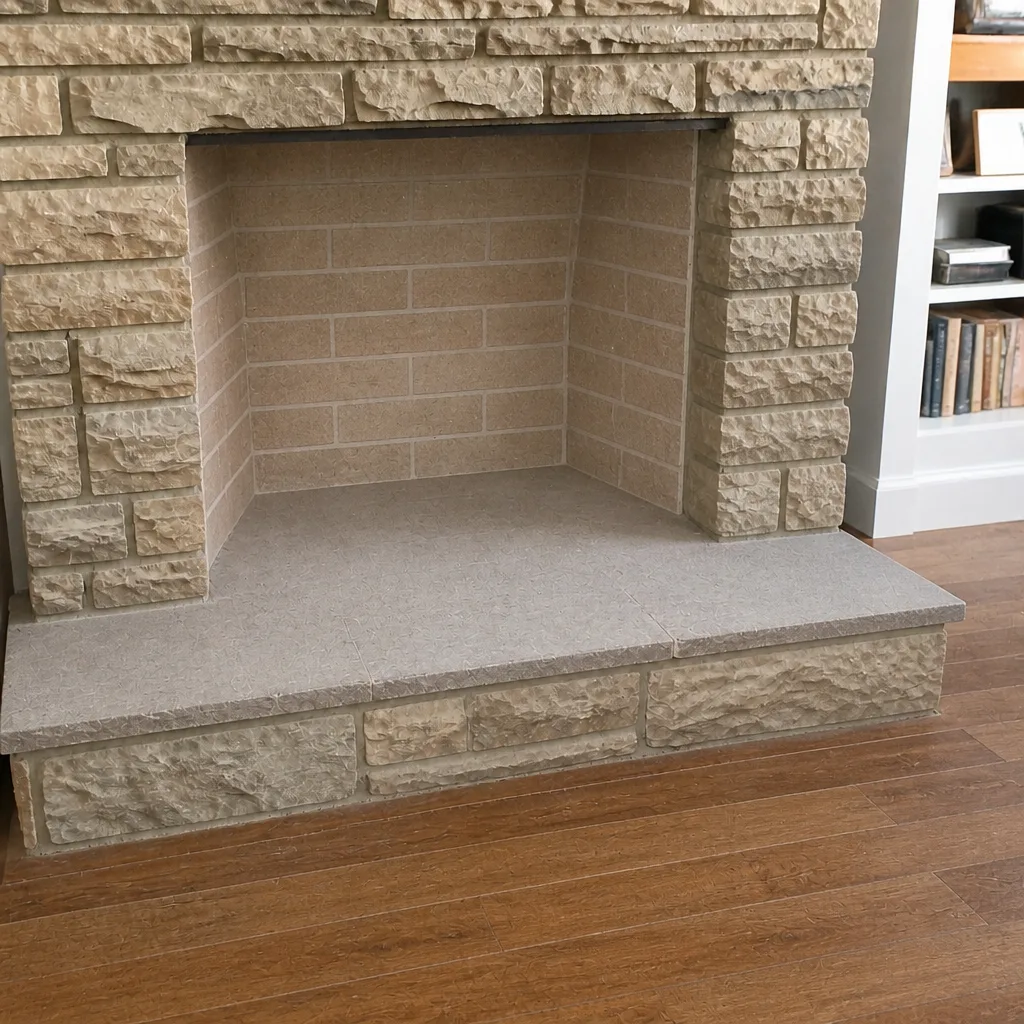
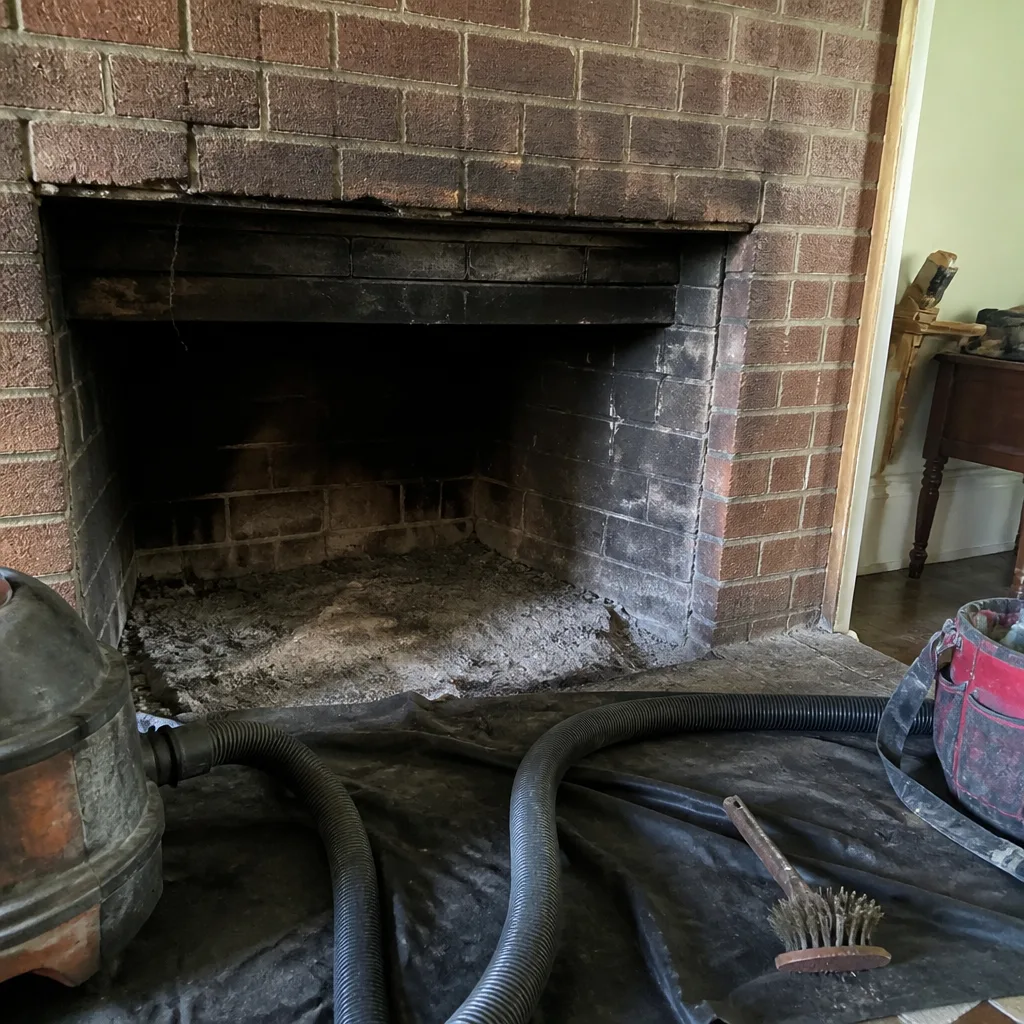
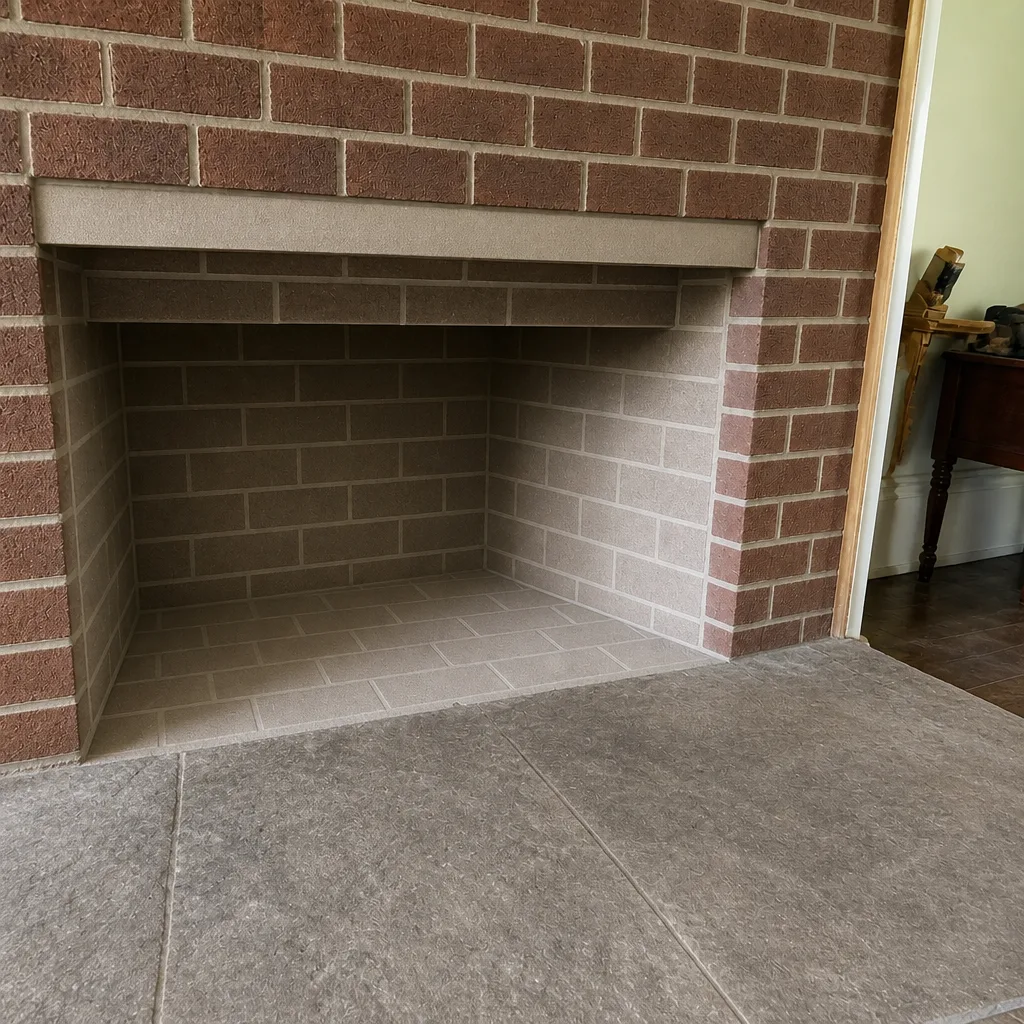
See the difference
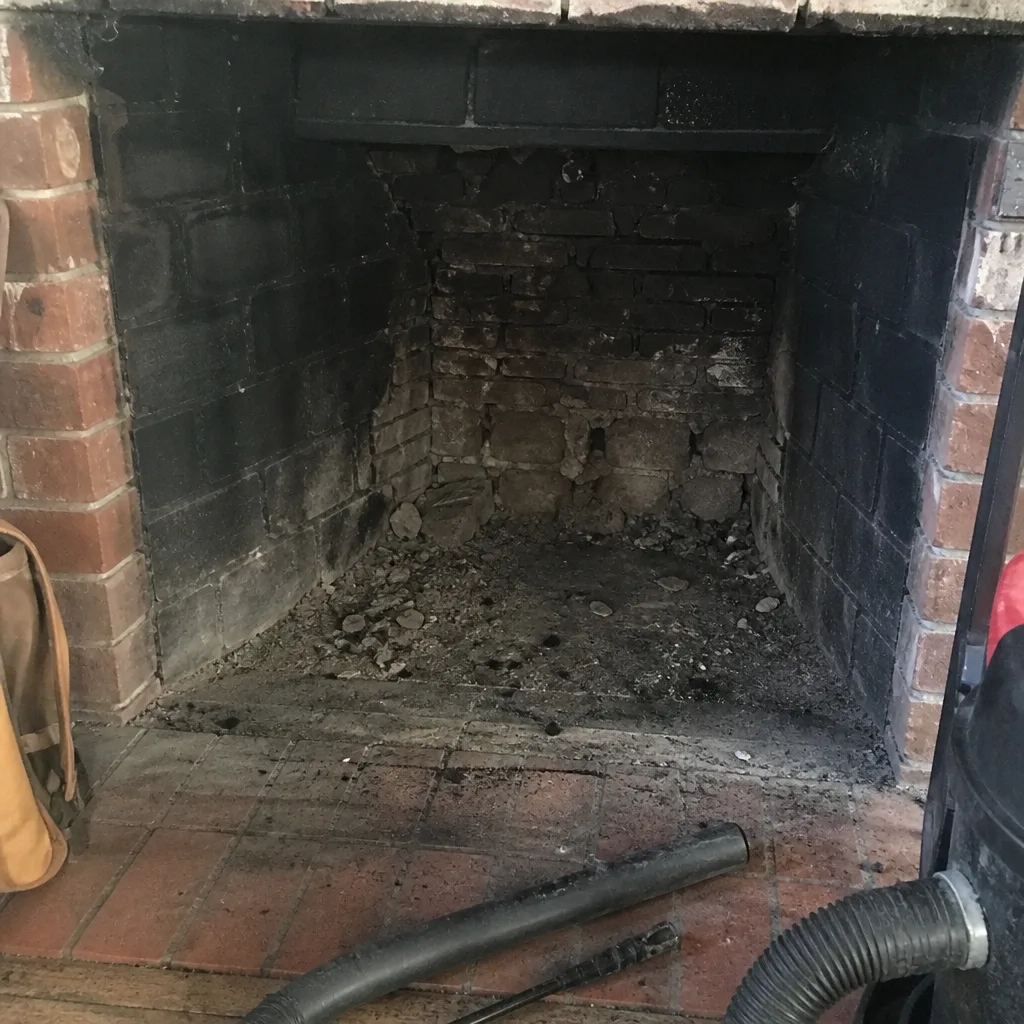 Before
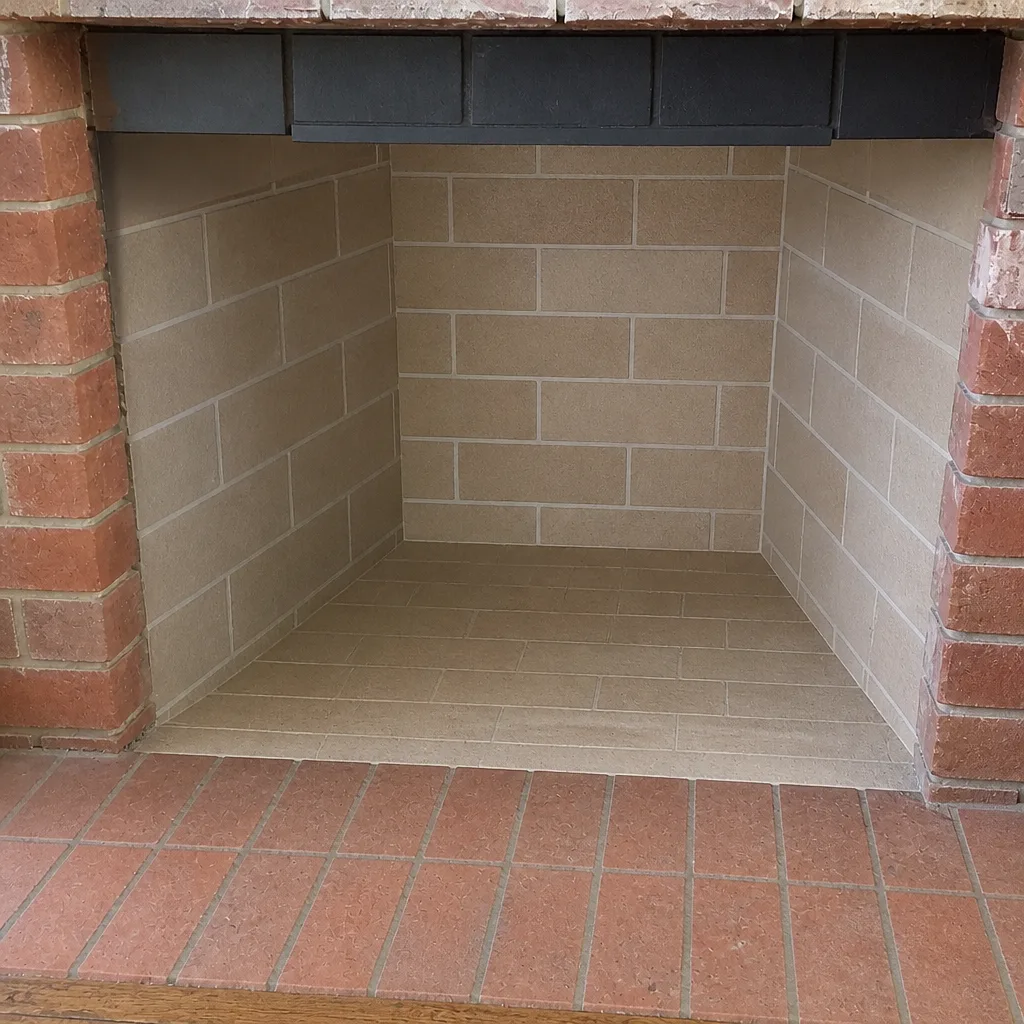 After
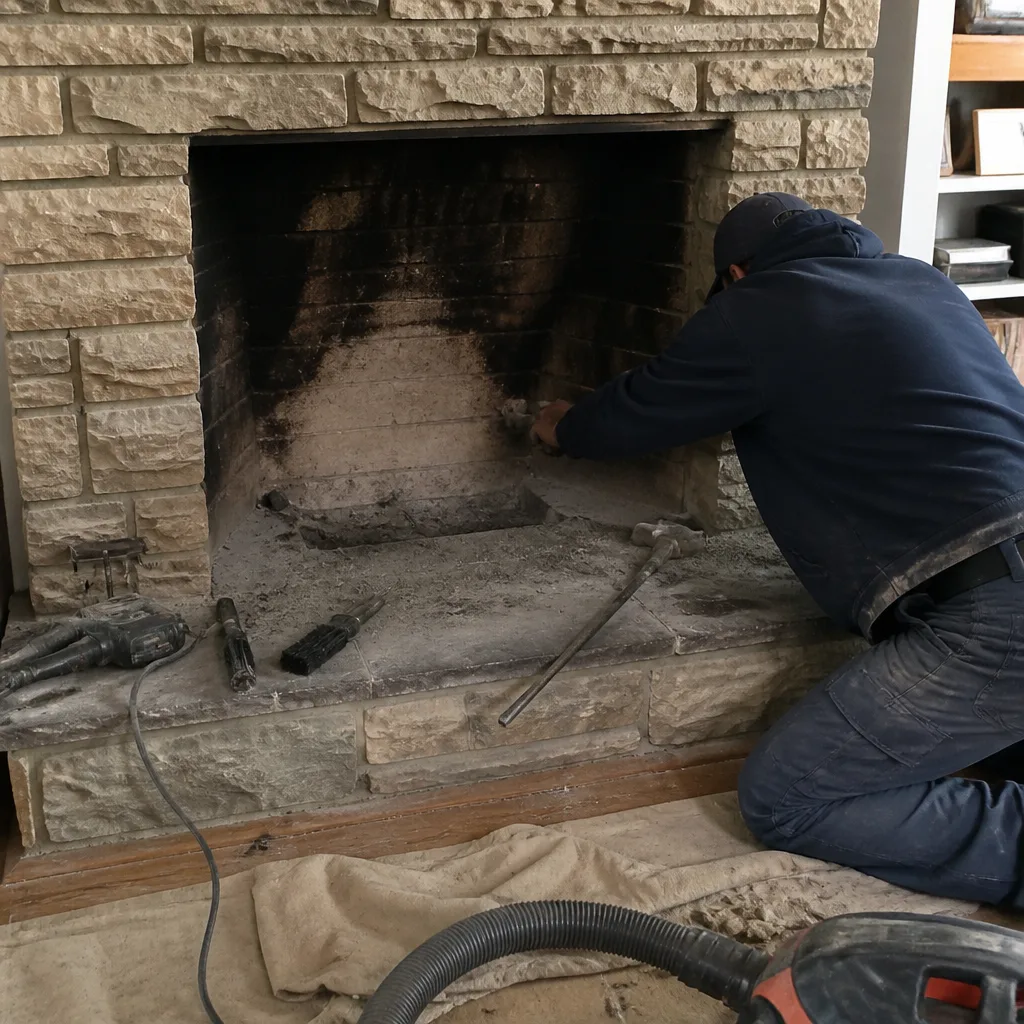 Before
 After
 Before
 After
When to Call a Professional
Call a professional when the work involves a liner, a firebox, a new appliance, or anything that needs a permit, and call when you’re not sure which side of the line you’re on. If you’ve got a chimney that hasn’t been swept in years, a crown that’s cracked and getting worse, or smoke rolling back into the room, those are all reasons to get a proper assessment. The same goes for a home you’re about to sell with a chimney repair you can’t document. A camera inspection and photo report show you exactly what’s going on, and nothing is recommended without evidence you can see for yourself. If a repair can safely wait, we say so. Wakefield Chimney Sweep Co offers free estimates in Wakefield. Call (833) 513-8375. We answer 24/7. Fast dispatch from 7am to 7pm, Sunday through Friday.
Frequently Asked Questions
No. Chimney cleaning and sweeping in Wakefield do not require a permit because they don’t change the chimney’s structure or venting system. A permit is only triggered by structural repair work like liner replacement, firebox reconstruction, or new appliance installation. Call (833) 513-8375 for an exact quote on a sweep. Estimates are free.
Yes. Liner replacement is regulated repair work under the NC Residential Building Code and requires a Wake County permit, which the licensed contractor pulls before the work starts. The installation is inspected after it’s completed, so the job isn’t finished until the permit is signed off. Call (833) 513-8375 if you’re unsure whether your repair needs a permit. Estimates are free.
NFPA 211 is the national standard for chimneys, fireplaces, vents, and solid fuel-burning appliances, and the NC Residential Building Code references it for chimney requirements. That means your installation is judged against NFPA 211 on inspection, and the standard also requires a post-installation inspection after a liner or appliance install. It’s the honest benchmark for whether a repair was done to code. Call (833) 513-8375 to schedule an assessment. Estimates are free.
You can legally sweep your own chimney and handle basic maintenance like cap replacement and minor crown patching, but structural repairs that need a permit require a licensed contractor. Liner installs, firebox reconstruction, and new appliance connections are professional work. If the job involves the structural parts of the chimney or a permit, it’s not a homeowner job. Call (833) 513-8375 to find out what your chimney actually needs. Estimates are free.
Unpermitted chimney repair shows up during a home inspection or title search and becomes a problem at resale, because the buyer’s inspector can’t verify the work meets code. The seller usually has to resolve it before closing, which can delay the sale or cost money. Getting it addressed through a licensed contractor before you list is the way to avoid that. Call (833) 513-8375 to have the work assessed. Estimates are free.
A chimney burning wood should be swept when there’s about an eighth of an inch of creosote built up in the flue, and inspected at least annually. In Wakefield’s humid climate, annual inspection also catches crown and mortar damage before winter freeze-thaw turns it into a bigger repair. Regular chimney sweep service and inspection keep the system safe and the code record clean. Call (833) 513-8375 to book a sweep. Estimates are free.
The Bottom Line
The line to remember is simple: cleaning is maintenance, structural repair is regulated. In Wakefield, NC, a sweep doesn’t need a permit, but a liner replacement, firebox rebuild, or new appliance install does, and that work is judged against NFPA 211 through the NC Residential Building Code. The permit is pulled by the licensed contractor, the inspection happens after the work, and a closed permit is part of the job being finished. Unpermitted repair is the one that comes back at resale, so getting the scope and the permit right up front is the whole game. Whether it’s routine fireplace repair or a liner install, we handle the full system and the paperwork that comes with it.
Work With Wakefield Chimney Sweep Co
Wakefield Chimney Sweep Co is a chimney specialist, not a generalist contractor who sweeps on the side. We handle the full system, from sweeping and chimney cap & crown work to fireplace repair and full chimney repair, and we work with professional-trade products like DuraFlex, HeatShield, and Copperfield. Our technicians have up to 14 years of experience, and we resolve what an inspection finds because one company handles the work from assessment through repair. We tell you exactly what your chimney needs and nothing it doesn’t. Get a free estimate in Wakefield by calling (833) 513-8375. We answer 24/7. Fast dispatch from 7am to 7pm, Sunday through Friday.
Written by the team at Wakefield Chimney Sweep Co.