
Last updated November 25, 2026
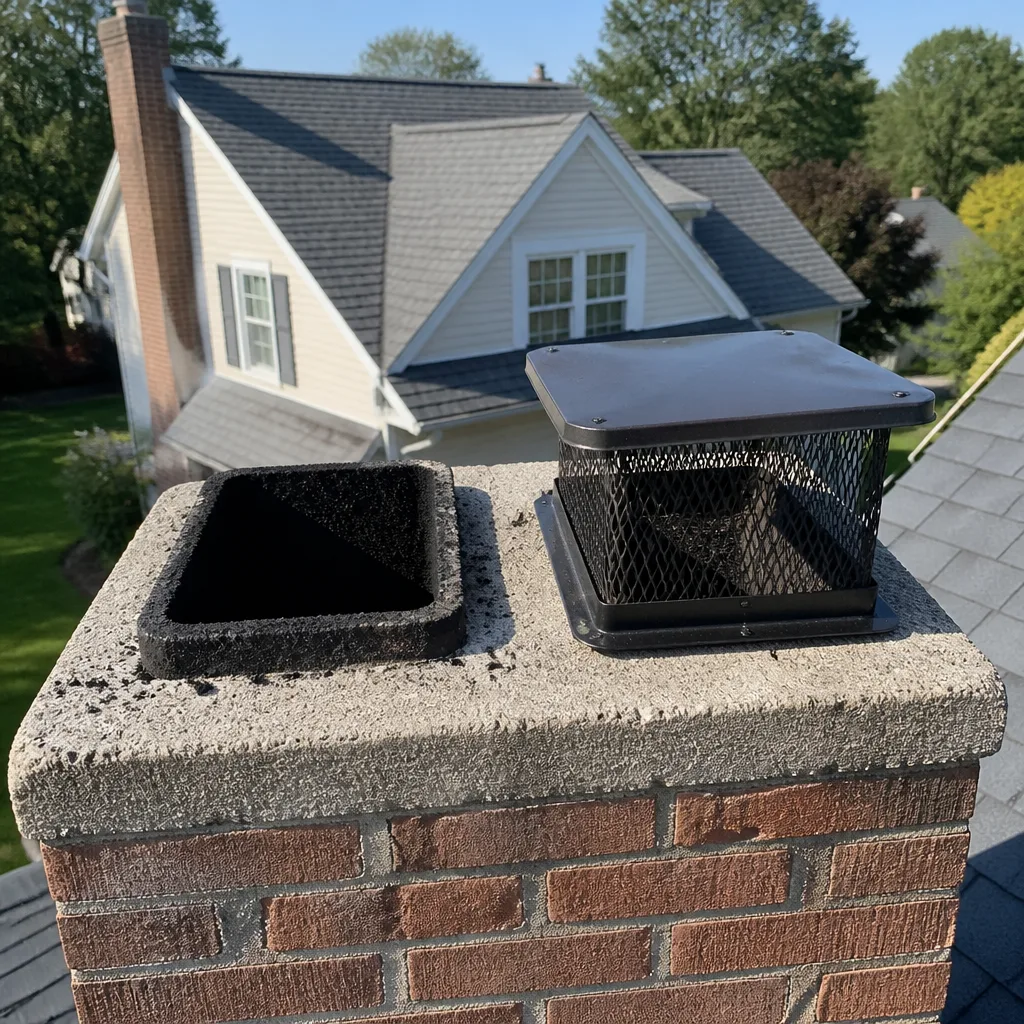 Sweep & inspection
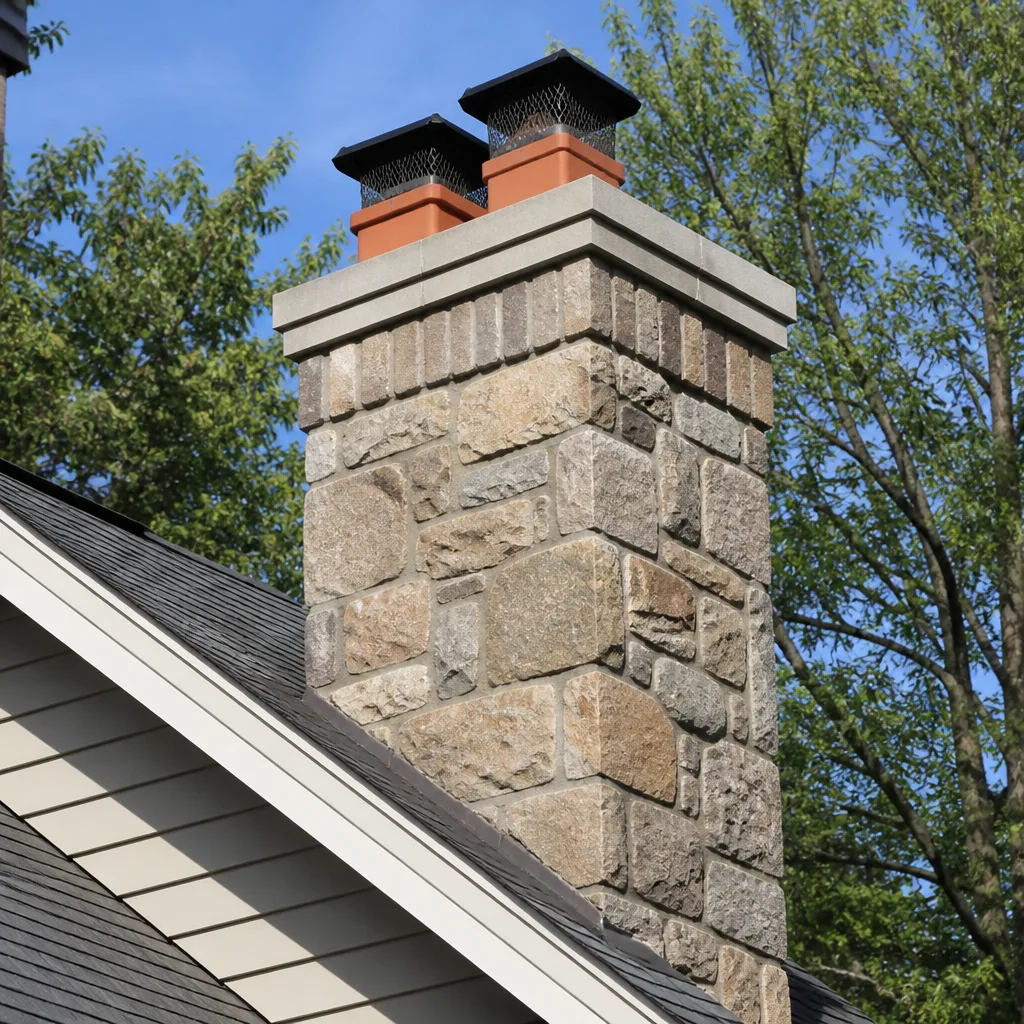 Caps & crowns
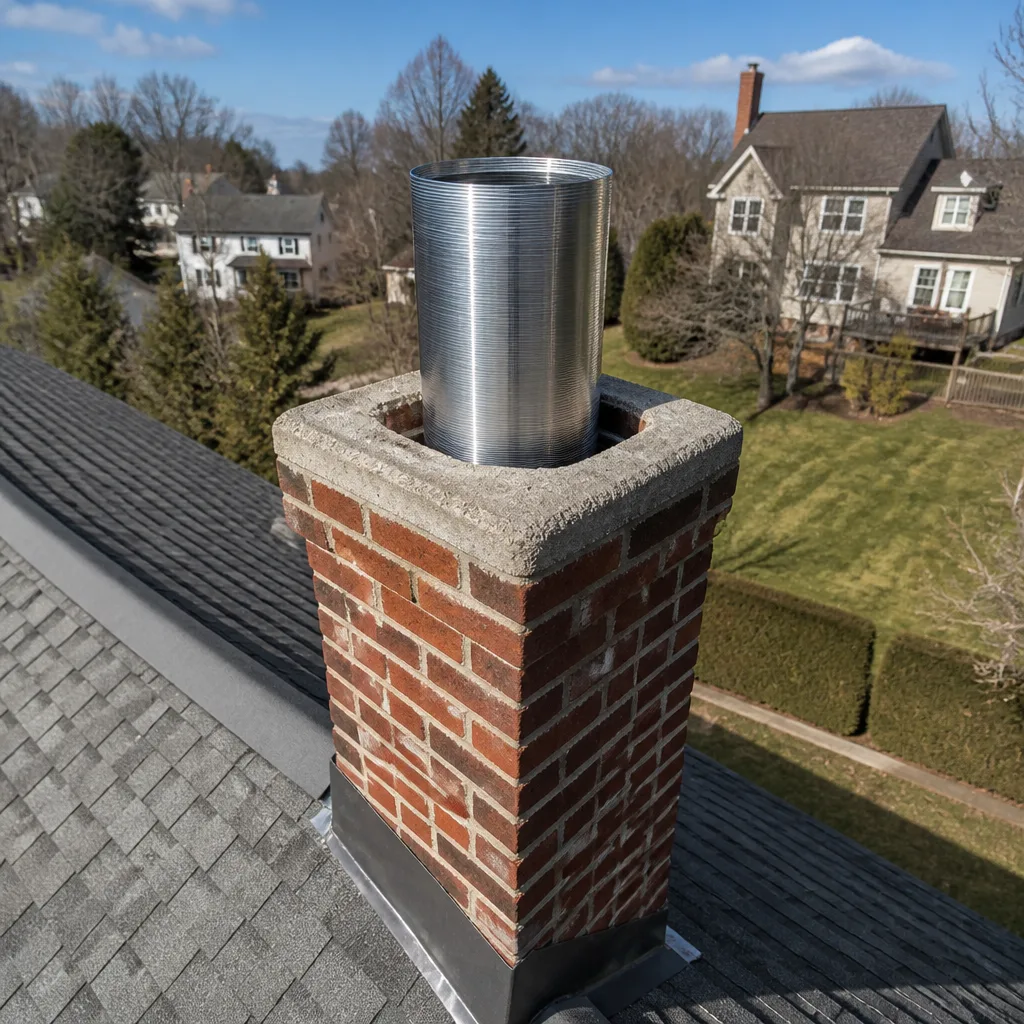 Flue relining
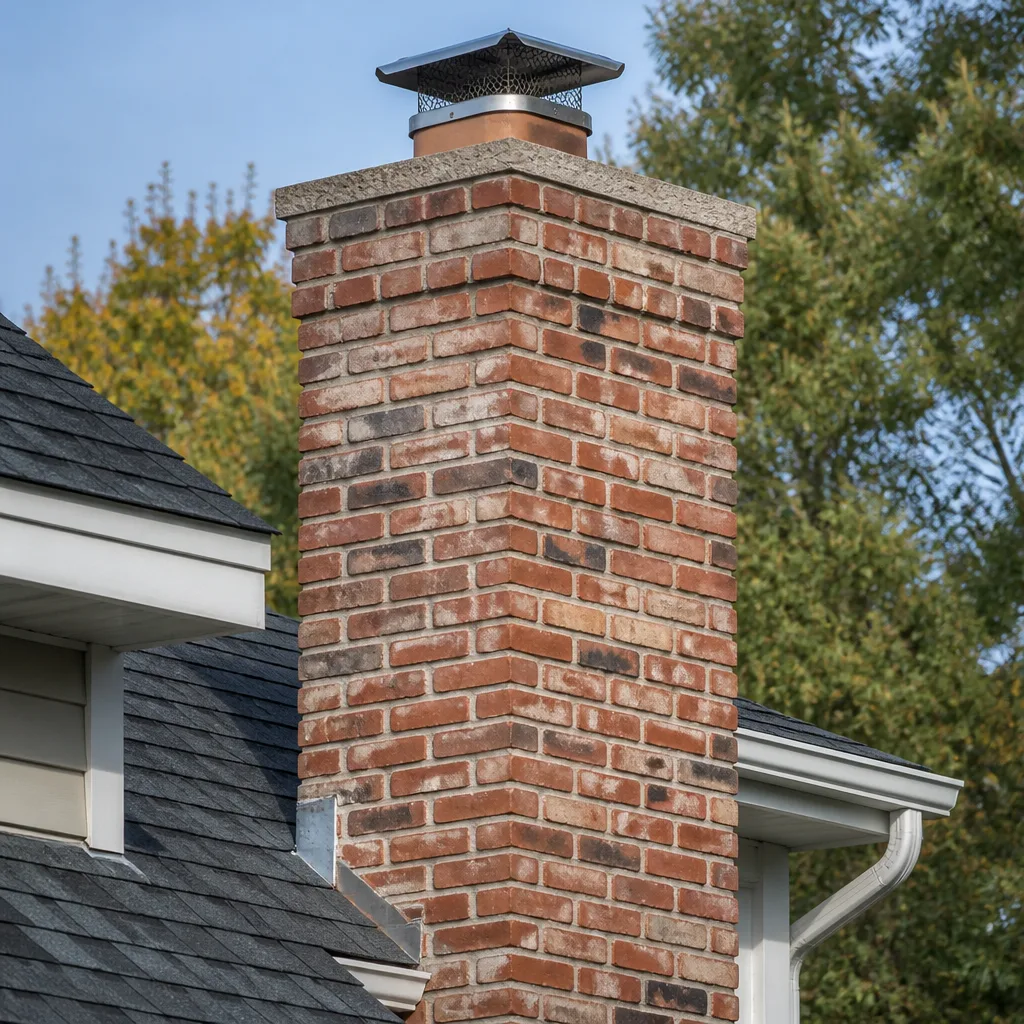 Masonry repair
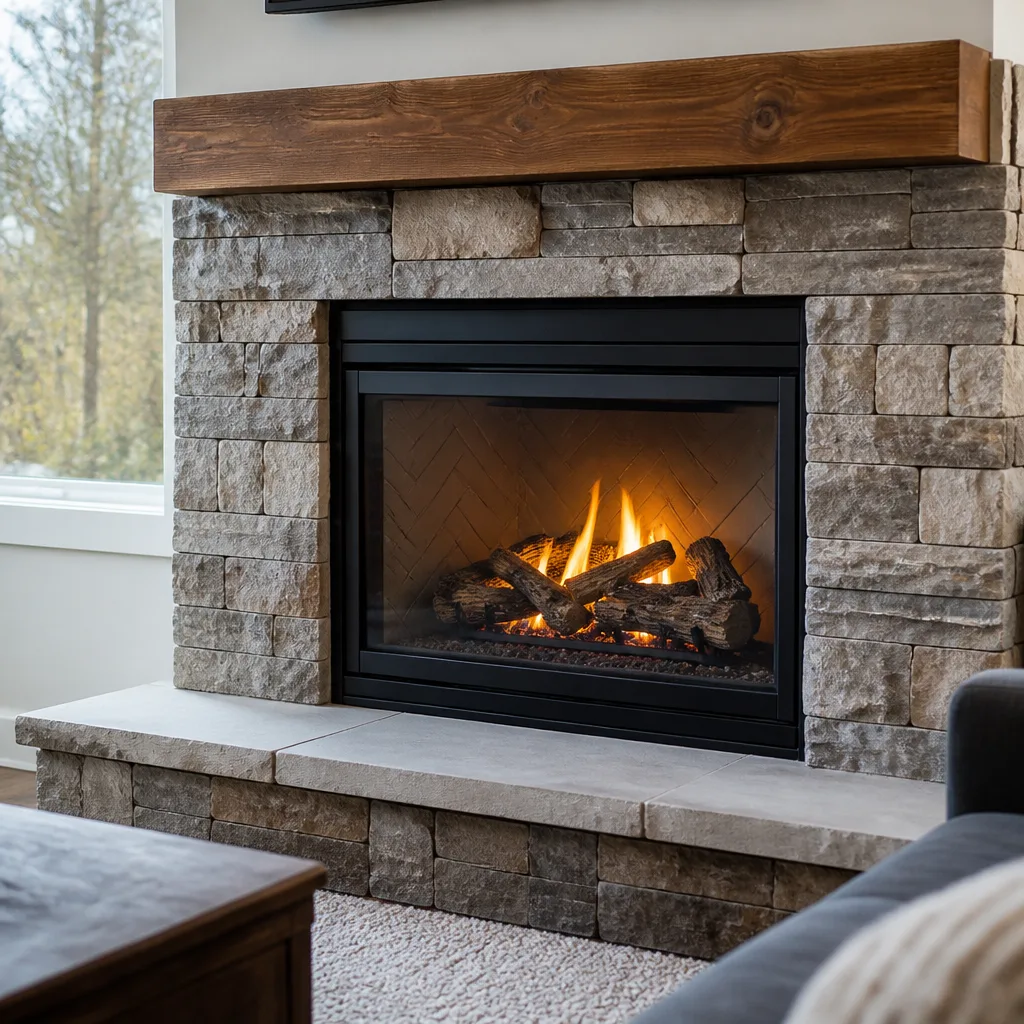 Gas fireplace service
Level 1 sweep and inspection to the NFPA 211 annual standard - flue, crown, cap, and flashing checked and photographed
Chimney sweep logs do not sweep chimneys. They loosen some creosote - which then falls where a brush and vacuum still have to collect it.
Chimney Sweep Maintenance Checklist for Wakefield Homeowners
A single annual sweep is the floor, not the ceiling. That piece of advice gets repeated everywhere, and for a household that lights three fires a year it’s roughly right. But Wakefield homeowners who burn more than two cords a season, or who run a wood stove insert as a real heat source, are on a different schedule entirely, and the standard once-a-year line undersells what their chimney actually needs. Maintenance isn’t a generic seasonal to-do list. It’s a decision tree built around your fuel type, your liner material, and how hard you worked the system last winter. This guide walks through that decision tree piece by piece, from what you can check yourself to what needs a camera and a trained eye.
Quick Answer
A Wakefield chimney should be swept and inspected once a year if you burn occasionally, and inspected more often, with sweeping as needed, if you burn more than two cords a year or use a wood stove insert as a primary heat source. Every checklist should cover the flue, cap, crown, firebox, and mortar joints, and gas fireplaces need annual attention even when there’s no soot to see. Document the condition each year so you catch slow deterioration before it becomes an acute failure.
Styles & brands we work with
- Sweep & inspection
- Caps & crowns
- Flue relining
- Masonry repair
- Gas fireplace service
Table of Contents
- Your Maintenance Schedule Depends on How You Burn
- Month-by-Month: What You Check vs. What a Pro Checks
- Mortar Joint Warning Signs You Can Spot From the Ground
- Gas Fireplace Maintenance Most Homeowners Skip
- How Your Liner Material Changes the Checklist
- Documenting Your Chimney Year Over Year
- What Requires a Professional Tool and Why
- Common Mistakes to Avoid
Your Maintenance Schedule Depends on How You Burn
The single biggest mistake in chimney maintenance is treating every household the same. A family that builds a fire on cold December evenings and a household that heats primarily with wood are running very different systems, and the wear shows up at very different rates. Creosote accumulates in proportion to how much you burn and how cool the fire runs, so the light user and the heavy user shouldn’t be following the same calendar. Here in Wakefield, where winter swings between mild stretches and genuine cold snaps, a lot of homes fall into the middle category: they burn more than they expected to.
Think of it in three tiers:
- Occasional user (under one cord a season): One annual sweep and inspection. Check the cap and crown visually each fall. This is the standard advice, and it holds.
- Regular user (one to two cords a season): One annual sweep and inspection, plus a mid-season look at the firebox and flue from the firebox side. If you notice smoke rolling back or a heavier creosote smell, book a sweep earlier than the annual mark.
- Primary heat source (more than two cords, or a wood stove insert): Inspect at least twice a season, sweep as the inspection indicates rather than on a fixed date, and pay closer attention to the liner material. Wood stove inserts run hotter and concentrate heat in a smaller path, so the flue and the connection at the insert deserve a professional look more than once a year.
None of this is guesswork for us. When we sweep a Wakefield chimney, we can usually tell from the creosote buildup how heavily the household burns, and we adjust the recommendation accordingly. Our technicians have up to 14 years of experience reading those signs, and the honest answer is that some chimneys need more attention than the once-a-year rule allows.
Month-by-Month: What You Check vs. What a Pro Checks
A useful checklist separates the jobs you can safely do from the ones that need a professional tool and a trained eye. You can spot a lot from the ground and from the hearth. You can’t see the inside of a flue without a camera, and you shouldn’t try to reach into it with a mirror on a stick and hope for the best. Here’s how the year breaks down.
- Early fall, before the first fire: Walk the yard and look at the chimney top. Check that the cap is intact and not clogged with debris or a bird’s nest. Look at the crown for cracks. Inside, open the damper and shine a flashlight up the flue to see if there’s obvious soot or a blockage. This is your ground-level check.
- Before heavy burning begins: Book your professional sweep and inspection. The goal is to start the season with a clean flue and a documented baseline for the year.
- Mid-season, if you’re a heavy burner: Check the firebox for cracks and the firebox-to-flue connection at the insert. Notice whether smoke is drafting properly or rolling into the room. If something feels off, call for an inspection rather than waiting.
- After the burning season: A second look at the cap, crown, and mortar joints once the weather eases. This is when storm and freeze damage from the winter shows up, and catching it in spring gives you time to deal with it before next fall.
- Any time: Watch for water staining on the ceiling near the chimney, a smoky smell in the house on damp days, or crumbling mortar on the roof. Those are calls for a professional inspection, not a wait-and-see.
The dividing line is simple. Anything at eye level or reachable from the ground without a ladder is yours to inspect. Anything that requires climbing onto the roof, dismantling a component, or seeing inside the flue is a professional job. Steep roof work and anything involving the flue interior carries real risk of injury, so we’d rather you flag what you see and let a trained technician handle the rest.
Mortar Joint Warning Signs You Can Spot From the Ground
You don’t need to be on the roof to catch early masonry problems. From the ground, in Wakefield, there are specific signs that tell you the mortar joints are starting to go before anything fails. Mortar is the softer part of a masonry chimney, and it weathers first. Freeze-thaw cycles push moisture into small cracks, the water expands, and the joints start to crumble. The earlier you flag it, the less it costs to correct.
Look for these from a safe distance:
- Crumbling or sandy mortar: If the joints between bricks look recessed, gritty, or like sand is collecting on the flashing or roof below, the mortar is degrading.
- White chalky staining: A powdery white bloom on the brick is a sign moisture is moving through the masonry and leaving mineral deposits behind.
- Visible cracks in the crown: The concrete cap on top of the chimney should shed water, not channel it. Any crack wider than a hairline is worth a professional look.
- Spalling brick faces: When the face of a brick flakes off or pops, moisture is getting in and freezing behind it.
- Rust streaks or loose flashing: Water tracking down the side of the chimney often shows up as staining or as flashing that’s pulled away from the roofline.
Any one of these is a reason to book an inspection, not a reason to panic. When we get up there, we assess whether the joints need repointing, whether the crown needs repair, or whether the masonry is sound and just needs cleaning. That assessment is the whole point of the visit, and it’s the kind of thing a generalist handyman will patch and hope about.
Gas Fireplace Maintenance Most Homeowners Skip
Here’s the assumption that causes trouble: if there’s no soot, there’s no problem. A gas fireplace doesn’t produce the creosote a wood fire does, so the chimney stays visually clean and the homeowner’s instinct is to skip maintenance entirely. But a gas system has its own maintenance needs, and they get ignored precisely because the obvious visual cue is missing. This is one of the most common gaps we see in Wakefield homes that have converted to gas.
What a gas fireplace checklist actually covers:
- The venting path: Gas appliances still vent. The flue and vent connection need inspection for obstructions, corrosion, and proper draft, even without soot.
- The firebox and logs: Vented gas logs and the firebox lining can develop cracks or deterioration that affect how the appliance burns and vents.
- The cap and termination: A clogged or damaged cap on a gas chimney blocks exhaust just as surely as on a wood one, and it’s easy to forget because the fireplace still lights.
- Carbon monoxide awareness: A gas appliance that isn’t venting correctly is a carbon monoxide concern, which is exactly why the annual inspection matters even when everything looks clean. This is a genuine safety reason to stay on schedule, not a scare tactic.
The checklist for a gas fireplace is different from a wood one, but it isn’t shorter. If you’ve assumed that no soot means no service, that’s the assumption to drop first. A Wakefield gas fireplace still benefits from an annual professional inspection of the venting path and the firebox, and we’ll tell you plainly if there’s nothing that needs attention.
How Your Liner Material Changes the Checklist
Your liner is the pipe inside the chimney that carries smoke and gases up and out. What it’s made of determines how closely it needs to be watched and what kind of repair it may eventually need. Many Wakefield homeowners don’t actually know what’s inside their flue, which is why an inspection that identifies the liner material is worth more than a sweep alone.
Here’s how the checklist shifts by material:
- Clay tile liner: Common in older homes. The joints between tiles can crack, and a camera inspection is the only reliable way to see it. Cracks or gaps are a concern because they let heat and gases into the surrounding structure.
- Stainless steel liner: A relined flue with a stainless system is a strong setup, but it still needs to be checked at the connections and at the top termination. Properly installed systems from makers like DuraFlex are built for the long haul, but installation quality and connection integrity are what you’re inspecting.
- Cast-in-place and resurfaced liners: Systems like HeatShield resurfacing restore a deteriorating flue interior without a full reline. If your flue has been resurfaced, the inspection should confirm the surface is still intact and the joints are holding.
Knowing your liner material is the difference between a generic inspection and a useful one. It’s also why we work with professional-trade brands rather than hardware-store substitutes: Famco and Copperfield, along with the systems above, are the materials the trade installs when a repair needs to hold. If your flue has an offset or a complicated path, that’s where a flexible liner system earns its keep, and it’s a job we take on rather than turning down.
Documenting Your Chimney Year Over Year
Acute failures get attention; slow deterioration gets missed. That’s the value of documenting your chimney’s condition each year. A crack that looks minor in isolation can tell you something very different when you compare it to last year’s photo and see it’s grown. Year-over-year records turn a single snapshot into a trend, and trends are what tell you whether to repair now or watch and wait.
What to keep in your chimney file:
- Dated photos of the cap, crown, and visible masonry from the same angle each year. The comparison is what matters.
- The inspection report and any photos from the camera scan. A professional inspection with a camera produces images of the flue interior, and those images are your record of what’s inside.
- The sweep date and how much creosote was removed, so you can see whether your burning habits are trending toward heavier buildup.
- Any repairs, with the material used (a resurfaced flue, a relined section, a repointed section of masonry), so the next inspection knows what it’s looking at.
This is one of the quiet advantages of a single-source specialist. When the same company inspects, sweeps, and handles the repairs, the record stays consistent, and the findings aren’t handed off to someone else who’s starting from scratch. From cap to firebox, we track the full system year to year, and we tell you exactly what your chimney needs and nothing it doesn’t.
What Requires a Professional Tool and Why
Some parts of the checklist are genuinely doable yourself. Others aren’t, and it’s worth being clear about which is which. The flue interior is the big one. You can shine a light up from the firebox and see the first few feet, but you can’t see the full length, the bends, or the top of the flue without a camera. A mirror-and-flashlight inspection only shows you the section you can angle into view, which is why serious inspections use a camera scan.
These items need a professional tool and a trained technician:
- Camera inspection of the flue interior: The only reliable way to see cracks, gaps, and buildup along the full length of the liner.
- Rooftop inspection of the cap, crown, and masonry: Steep roof work is a genuine hazard, and the view from the roof is where masonry problems show themselves.
- Removing creosote from the flue: Proper sweeping uses the right brushes for the liner material and contains the mess. Creosote itself is combustible, and heavy buildup is a fire risk, so this isn’t a DIY job.
- Assessing the firebox and the insert connection: Determining whether a firebox crack is a problem and whether an insert is connected safely takes experience.
- Any repair: Repointing masonry, repairing a crown, resurfacing a flue, or relining are all professional work, and doing them badly makes the next repair bigger.
If you’re unsure whether something you’ve spotted is a real issue, that’s a good question for an inspection. Our technicians have up to 14 years of experience and a camera to back up the answer, so you’re looking at evidence, not a guess. If it can safely wait, we’ll tell you that too.
Common Mistakes to Avoid
- Skipping the gas fireplace because there’s no soot. A clean-looking gas firebox says nothing about the venting path, and venting problems are the real concern. Get it inspected annually regardless of how clean it looks.
- Burning a heavy season on the once-a-year schedule. If you burn more than two cords or run a wood stove insert, the annual sweep is a starting point, not the finish line. Talk to your sweep about a schedule that matches your actual use.
- Ignoring crumbling mortar until it’s a structural repair. Repointing a few failing joints costs far less than rebuilding a section of masonry after years of moisture damage in Wakefield’s freeze-thaw winters.
- Patching a damaged crown instead of fixing it. A crown that channels water into the masonry does damage every season it stays that way. A real repair sheds water; a patch just delays the problem.
- Assuming a hardware-store part is a real fix. A cap or fitting from a general hardware aisle may look right and fail early. Professional-trade parts are built to hold, and the difference shows up in the years after installation.
- Throwing away the inspection paperwork. Without a record, you can’t see deterioration trends, and you’re back to judging each year in isolation. Keep the reports and the camera images.
- Letting a generalist handle chimney work. Chimney work is its own trade, and a handyman or HVAC contractor sweeping on the side may not catch what a specialist does. A chimney-exclusive company diagnoses the full system, not just the part in front of it.
See the difference
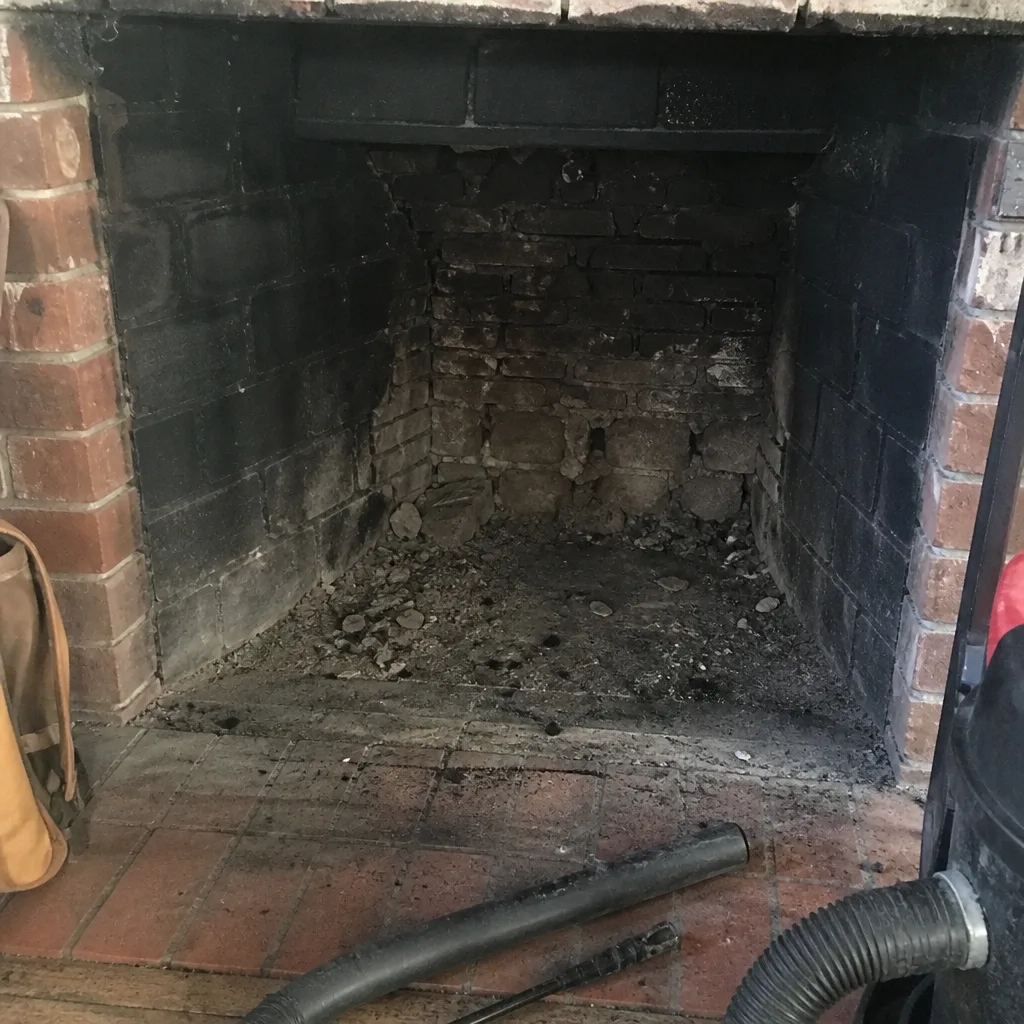 Before
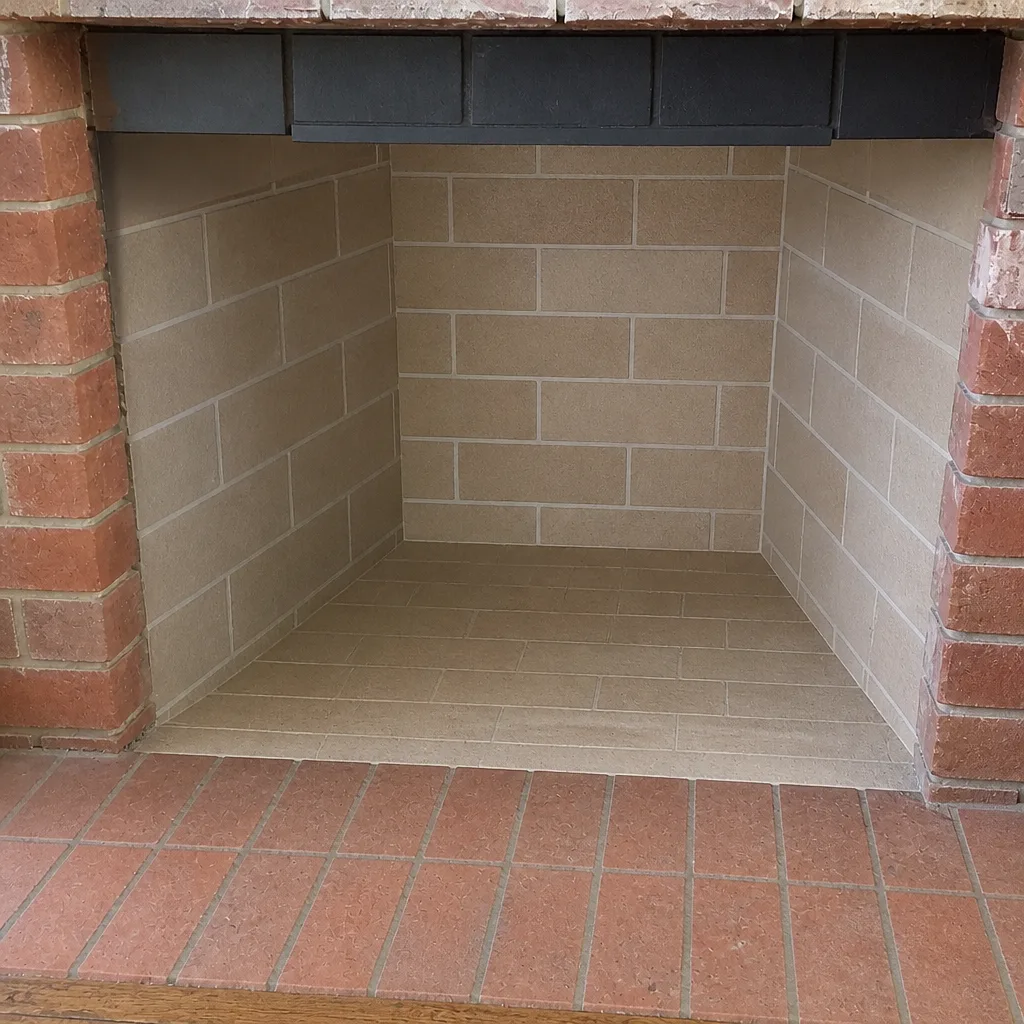 After
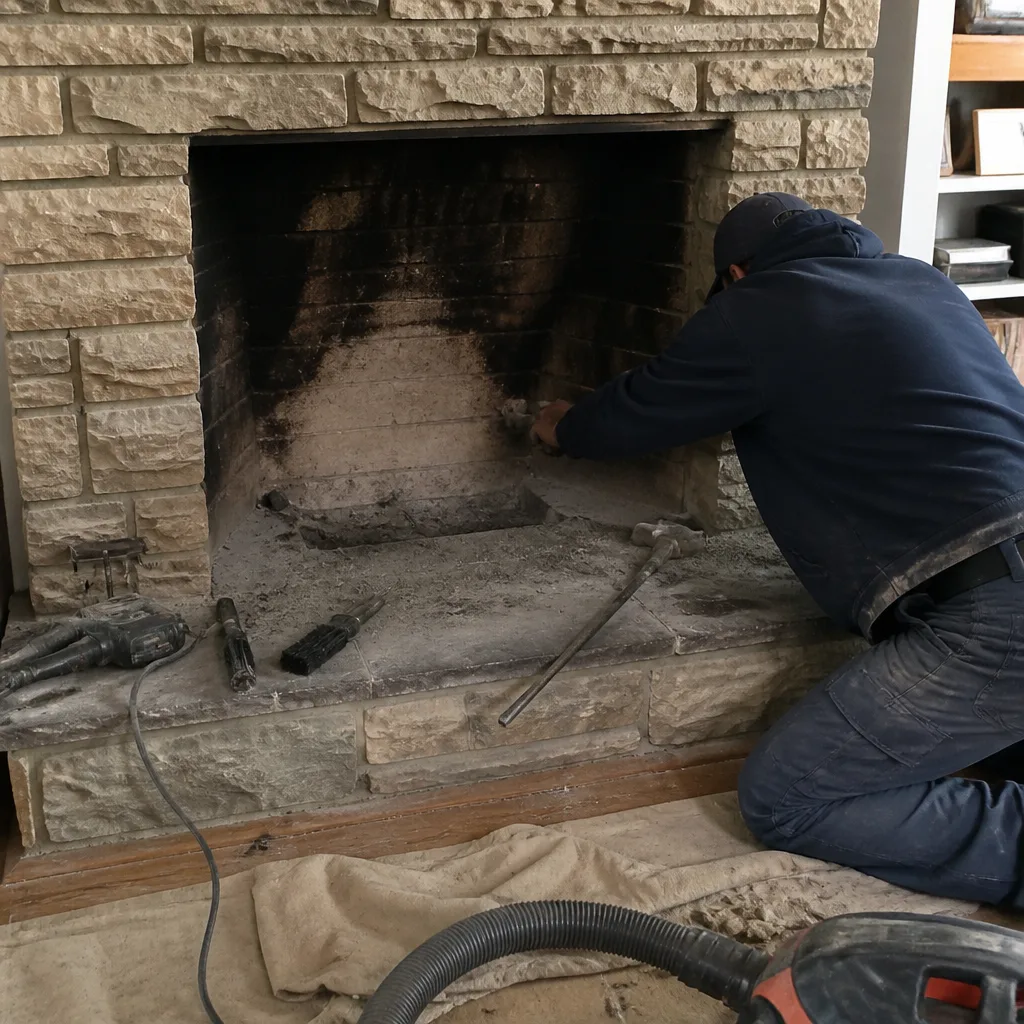 Before
 After
 Before
 After
When to Call a Professional
Call a professional for anything inside the flue, anything on the roof, and anything that involves a repair rather than a look. Specifically: if you’ve burned more than two cords this season, if you’ve noticed smoke rolling into the room, if you see crumbling mortar or a cracked crown from the ground, if your gas fireplace hasn’t been inspected in over a year, or if you simply don’t know what your liner is made of. Those are all reasons to book a proper inspection. We tell you exactly what your chimney needs and nothing it doesn’t, and nothing gets recommended without camera evidence you can see for yourself. Wakefield Chimney Sweep Co offers free estimates in Wakefield; call (833) 513-8375 to set one up.
Frequently Asked Questions
Once a year for occasional users, and more often for heavy burners. If you burn more than two cords a season or use a wood stove insert as a primary heat source, budget for at least two inspections a season and sweep as the inspection indicates. Call (833) 513-8375 for an exact schedule based on how you burn.
Yes, because the inside of the flue is what matters and you can’t see it from the firebox. Gas fireplaces look clean even when the venting needs attention, and clay tile liners can crack where you can’t see. A camera inspection is the only reliable check. Call (833) 513-8375 to book one.
A sweep removes creosote and debris from the flue; an inspection assesses the condition of the full system. They usually go together, since the sweep is the moment the technician can see the flue. An inspection with a camera scan tells you what shape the liner, cap, crown, and firebox are in. Call (833) 513-8375 to schedule both.
You don’t until someone looks, and a camera inspection is the way to find out. Clay tiles, stainless systems, and resurfaced liners each need a different checklist, so identifying the material is step one. Our technicians identify the liner as part of the inspection. Call (833) 513-8375 for a free estimate.
Yes, an uncapped chimney is open to rain, animals, and debris. A proper cap keeps water and nests out while letting smoke vent, and it’s one of the simplest preventive upgrades on the checklist. Call (833) 513-8375 to talk through a cap for your Wakefield chimney.
Not always, and you shouldn’t take it on faith. Some flues can be resurfaced rather than fully relined, and others need a full liner. The right answer comes from a camera scan of the flue interior. We recommend nothing without evidence you can see. Call (833) 513-8375 for an honest assessment.
The Bottom Line
Your Wakefield chimney maintenance checklist isn’t a seasonal to-do list. It starts with how you burn, moves to what you can safely check yourself, and ends with the professional inspection and camera scan that see what you can’t. Sweep and inspect annually at minimum, step up the schedule for heavy use and wood stove inserts, watch the mortar and crown from the ground, and don’t skip the gas fireplace just because it looks clean. Document the condition year over year so you catch slow decline. And when something needs a real fix, use professional-grade parts, not hardware-store substitutes. One inspection, one company, the whole system handled.
Ready to start the season with a clean flue and a clear picture of your chimney’s condition? Call Wakefield Chimney Sweep Co at (833) 513-8375 for a free estimate. We answer 24/7. Fast dispatch from 7am to 7pm, Sunday through Friday.
Written by the team at Wakefield Chimney Sweep Co.