
Last updated November 25, 2026
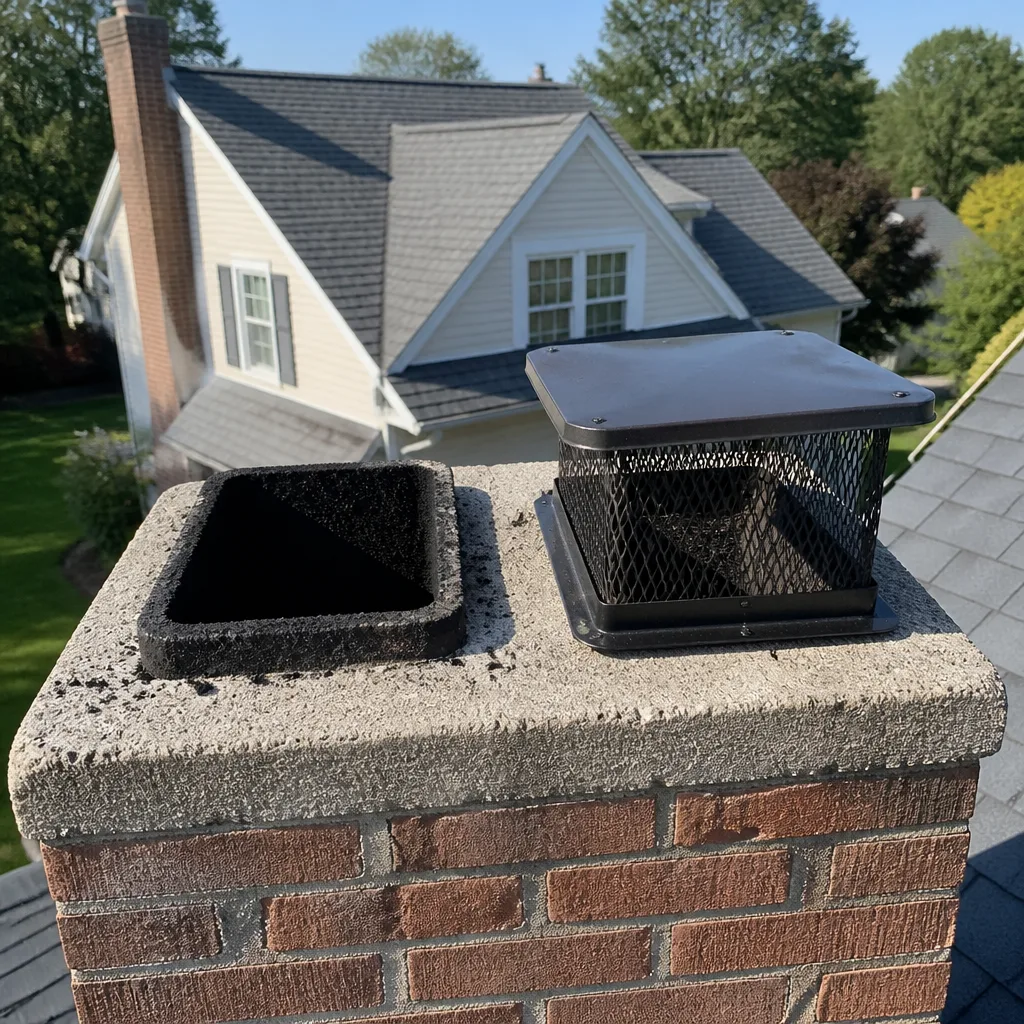 Sweep & inspection
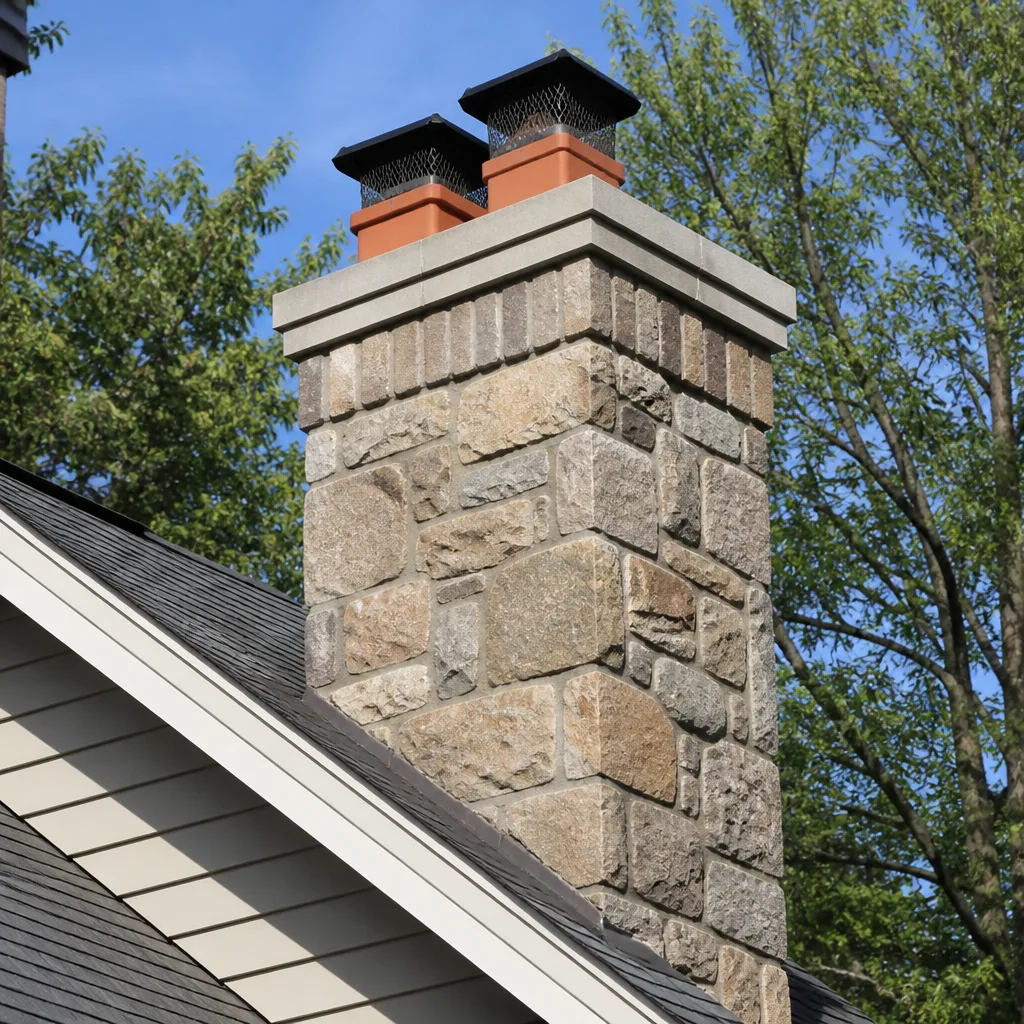 Caps & crowns
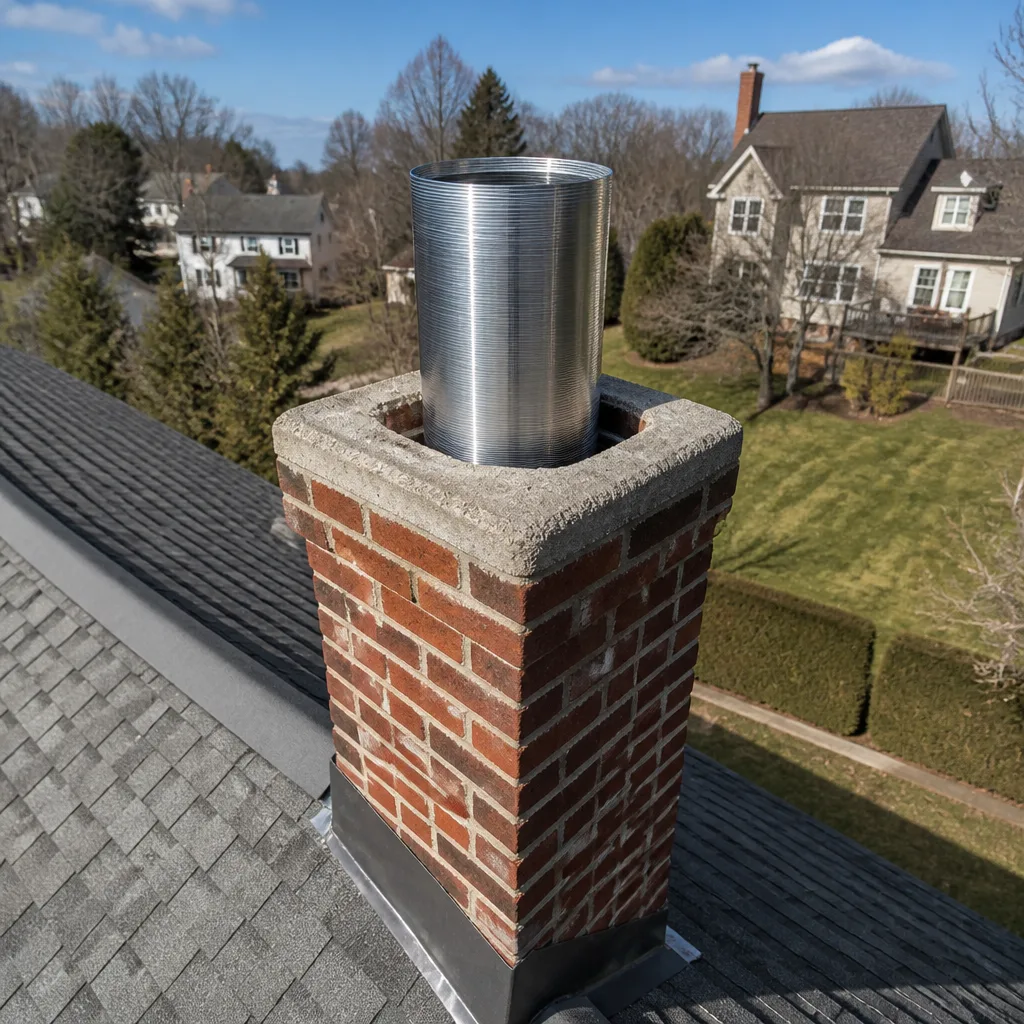 Flue relining
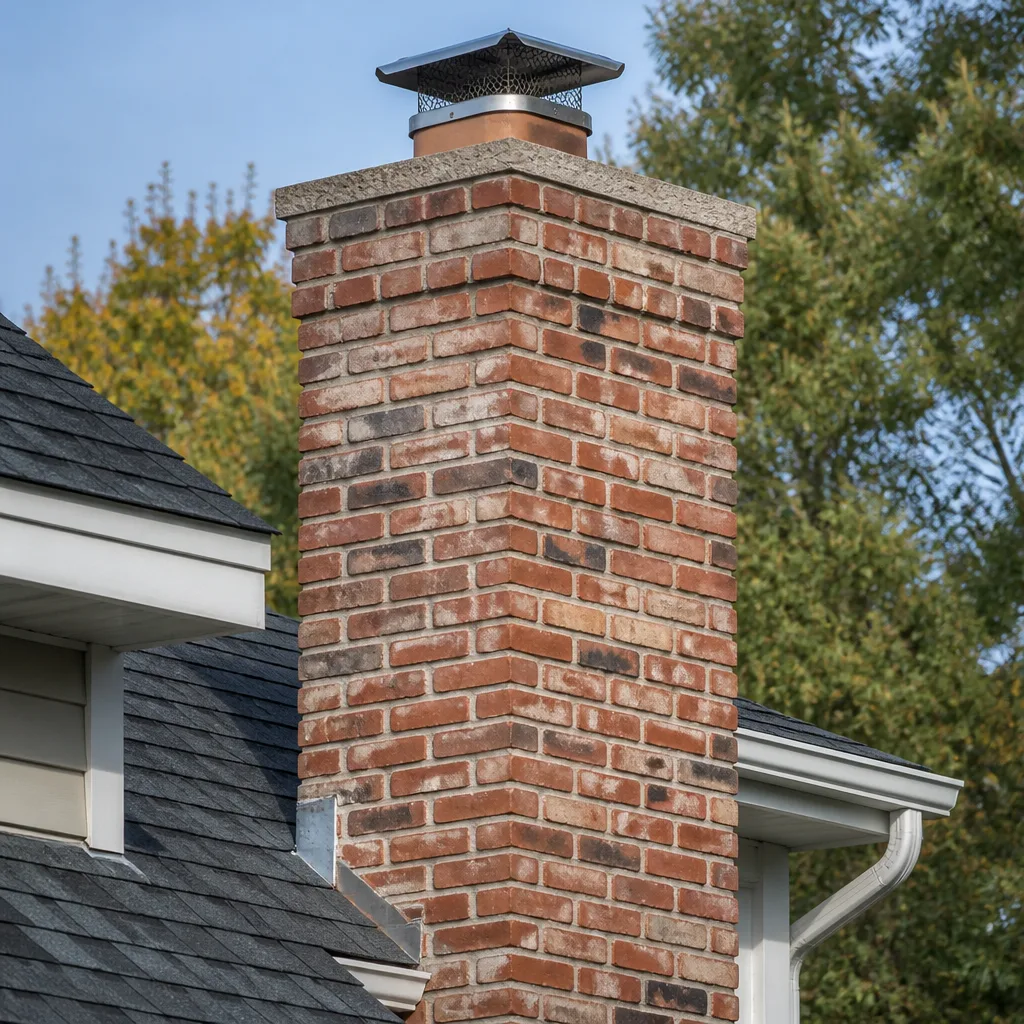 Masonry repair
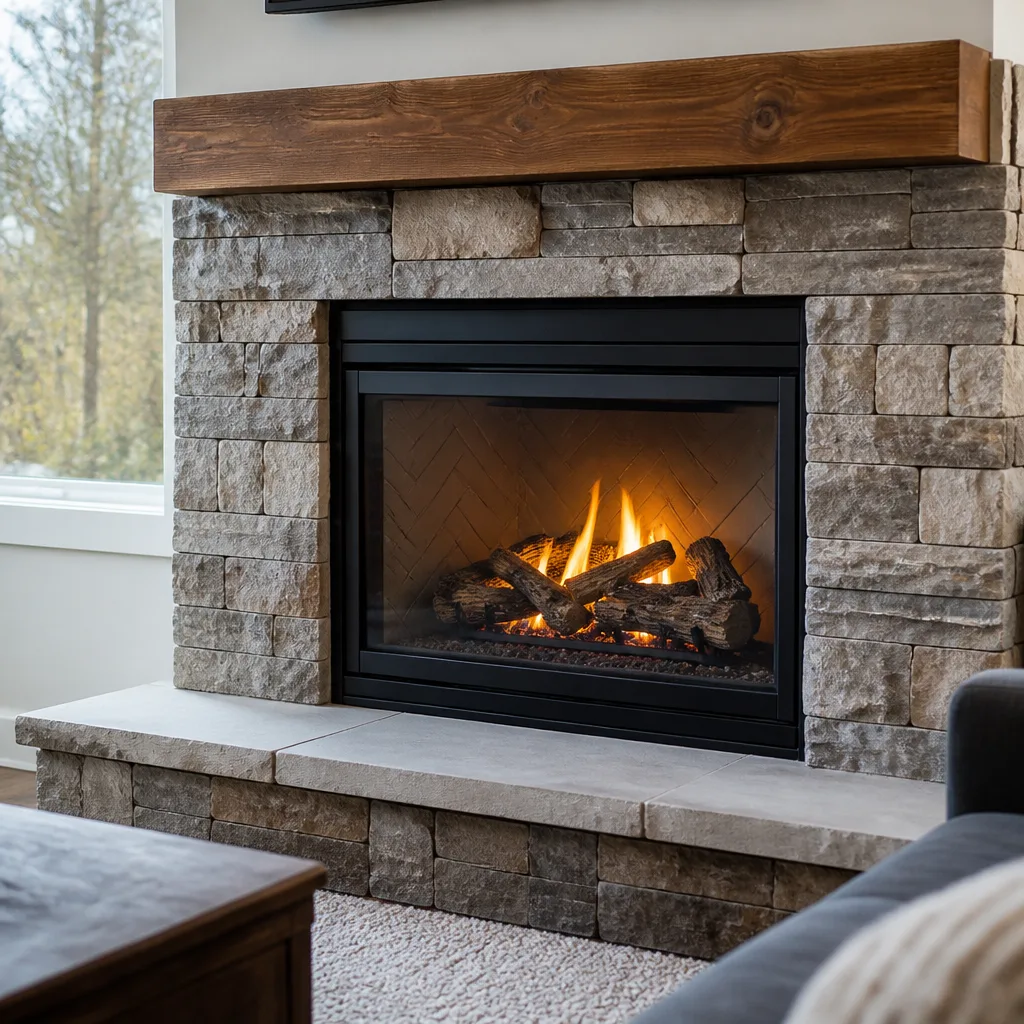 Gas fireplace service
Level 1 sweep and inspection to the NFPA 211 annual standard - flue, crown, cap, and flashing checked and photographed
Chimney sweep logs do not sweep chimneys. They loosen some creosote - which then falls where a brush and vacuum still have to collect it.
Seasonal Chimney Cleaning Care for Wakefield: Year-Round Homeowner’s Guide
The chimney problem you discover in October was set in motion the previous March. That’s the part most homeowners miss. A fire season builds creosote and drives heat through the flue, spring humidity pushes moisture into every crack that heat opened, and summer sun bakes those failures into place before the first cold snap ever tests them. Wakefield’s freeze-thaw cycles are milder than what the mountains get, but the humidity-driven spalling they produce in brick and mortar is steady enough to plan around. This guide walks through what each season does to your chimney, what to check when, and how to keep a log that shows you patterns over three to five years.
Quick Answer
Seasonal chimney care in Wakefield means doing the work in the right season, not just once a year. Sweep after your burning season ends to clear creosote before humid air works on it, inspect and repair in summer when the system is dry and accessible, and reserve fall for a light check and a clean first fire. Spring is when you look for moisture damage. Winter is when you learn whether a draft problem belongs to your chimney or to your HVAC system.
Styles & brands we work with
- Sweep & inspection
- Caps & crowns
- Flue relining
- Masonry repair
- Gas fireplace service
Table of Contents
- Why Seasonal Care Beats an Annual Fall Sweep
- Spring: Find the Damage the Fire Season Set Up
- Summer: The Best Window for Real Repairs
- Fall: Sweep First, Inspect Second, Repair Third
- Winter: Telling Draft Problems From HVAC Problems
- How to Build a One-Page Seasonal Chimney Log
- Common Mistakes to Avoid
- When to Call a Professional
Why Seasonal Care Beats an Annual Fall Sweep
An annual fall sweep is better than nothing, but it treats the chimney as a seasonal appliance when it’s actually a year-round structure. By the time October arrives, any moisture damage from spring and any crack that summer heat cured into place has already happened. You’re sweeping a system that’s had eight months to develop problems you won’t see from the firebox.
Think about what a chimney actually does through a Wakefield year. During fire season the flue handles heat, smoke and the byproducts of combustion, and creosote deposits on the interior walls. That creosote is hygroscopic, meaning it pulls moisture from the air. In spring, when humidity climbs, those deposits get damp and hold that dampness against the flue. On the exterior, brick and mortar that expanded with heat all winter now cool and contract, and water finds every small opening. Summer heat then dries everything out fast, and in doing so it can turn a hairline crack in the crown into a permanent path for water.
This is why a schedule based on one visit a year misses so much. The system needs attention at more than one point in its cycle. It doesn’t require a lot of your time. It requires the right timing.
- After burning season: clear creosote before humidity works on it.
- Mid-summer: inspect and repair while the system is dry and access is easy.
- Early fall: light check, confirm the flue is clear, then light the first fire with confidence.
- Through winter: observe draft and smoke behavior, note it, and act on it in spring.
We’ve seen this play out across Wakefield’s older neighborhoods, where brick chimneys sit on homes that have been through many cycles. The chimneys that hold up are the ones where someone was watching in more than one season.
Spring: Find the Damage the Fire Season Set Up
Spring is inspection season, not sweeping season. The fires are out, the system is settling, and the first round of humid air is starting to work on everything the winter left behind. This is when the evidence is easiest to read, and it’s the season most homeowners skip entirely.
What to look for inside the firebox
Open the damper and look up with a flashlight. You’re checking for moisture intrusion evidence, and it shows up in a few recognizable ways:
- Rust or corrosion on the damper and the metal surfaces around it. Metal doesn’t rust without water.
- White or gray staining on the firebrick or the smoke chamber. That’s mineral deposits left behind when water evaporates.
- Damp soot or a musty smell in the firebox, especially after rain.
- Loose mortar in the smoke chamber joints where water has been sitting.
If you see any of these, water is getting in somewhere above. The firebox doesn’t leak on its own; the source is almost always the crown, the flashing or the brickwork higher up.
Efflorescence on exterior brick
Walk outside and look at the chimney from the ground. Efflorescence is the white, powdery staining that appears on brick and mortar when water moves through the masonry and evaporates on the surface, leaving salts behind. It’s not just cosmetic. It tells you the brick is holding and releasing moisture, and over time that cycle leads to spalling, where the face of the brick flakes off. In Wakefield’s humidity, efflorescence on a chimney is a signal worth taking seriously.
Crown cracking from winter thermal cycling
The crown is the concrete or mortar cap at the top of the chimney. It expands and contracts with every freeze-thaw cycle, and small cracks open up. Those cracks are the single most common path for water to enter a chimney. If you can see them from the ground with binoculars, they’re worth addressing before summer.
Spring is also a good time to book a chimney inspection if you haven’t had one in a while. The findings give you a summer work list instead of a fall panic.
Summer: The Best Window for Real Repairs
Summer is the best season for chimney work, and most homeowners miss it entirely. Two reasons. First, the system is dry, which means moisture damage is stable and repairable rather than actively spreading. Second, nobody’s burning, so the chimney can be taken apart, inspected and put back together without interrupting your routine.
Here’s what summer opens up:
- Liner inspection. A camera inspection in dry conditions gives a clear read on the flue interior. In wet weather, moisture on the walls can hide cracks or mimic staining. Summer removes that ambiguity.
- Structural repairs. Repointing mortar, rebuilding a damaged crown, and replacing cracked brick are all easier and more durable when the masonry is dry and the weather is stable.
- Waterproofing. A breathable masonry waterproofing applied in summer has time to cure before the wet season. Applying it in fall, right before rain, often means it doesn’t perform the way it should.
- Liner replacement or resurfacing. If the flue interior is deteriorating, summer is when a liner job or a HeatShield resurfacing can be done without leaving you without a fireplace during the season you need it. HeatShield lets us restore a deteriorating flue interior without a full liner replacement in many cases, which is a repair option a lot of sweep companies can’t offer.
We schedule a lot of chimney repair work in summer for exactly these reasons. The system is at its most predictable, and the repair has the longest possible window to settle before it’s tested.
One thing to understand: summer isn’t just convenient, it’s the season when a small problem can still be fixed as a small problem. A crown crack addressed in July is a crown repair. The same crack left through a fall and winter of freeze-thaw can loosen the brick courses below it. The repair grows with the damage.
Fall: Sweep First, Inspect Second, Repair Third
Fall is when homeowners think about their chimney, and that’s fine. It just needs to be done in the right order. Sweep first, inspect second, repair third. Get that sequence wrong and you’ll spend money redoing work.
Step 1: Sweep
Sweep at the end of your previous burning season or in early fall before the first fire. The sweep removes creosote, soot and any debris that collected over summer. Creosote is the fuel for a chimney fire, and a clean flue is the baseline for everything else. If you’re due for a chimney sweep, do it before the inspection, not after. An inspector looking at a dirty flue can’t see the interior walls clearly.
Step 2: Inspect
The inspection comes after the sweep. Now the flue interior is visible, the firebox is clean, and any problem stands out. A camera inspection tells you what condition the liner is in, whether the smoke chamber needs attention, and whether the exterior components like the cap and crown are sound.
Step 3: Repair the small things
Address minor repairs before the first fire. A loose cap, a small crown crack, a missing damper gasket, a bird nest in the flue. These are the repairs that, left alone, become winter problems. They’re also the ones that are easiest to fix in fall while the weather is still workable.
This order matters because sweeping after an inspection can undo what the inspection found. And repairing before sweeping means fixing something you haven’t fully diagnosed. Three steps, in this order, every year.
While you’re at it, check the chimney cap & crown from the ground. The cap keeps water, animals and debris out of the flue. The crown sheds water off the top of the chimney. Both are small components that do a lot of work.
Winter: Telling Draft Problems From HVAC Problems
Winter is when you actually use the chimney, and it’s when draft problems show up. Here’s the part that catches people: not every draft problem in a Wakefield home is a chimney problem. Some are HVAC problems wearing a chimney costume. Knowing the difference saves you a service call on the wrong system.
Signs it’s the chimney
- Smoke rolls out of the fireplace opening when you first light a fire, then settles down as the flue warms. That’s normal cold-flue behavior, common in older Wakefield homes with exterior chimneys.
- Smoke backs up consistently, not just at startup, especially on windy days. That usually points to a flue issue, a blocked flue, a cap problem or a chimney that’s undersized for the fireplace opening.
- A down draft comes down the chimney when the fireplace is not in use. Cap and crown issues or a flue that’s open and exposed are common culprits.
- The smell of smoke lingers in the room after the fire is out.
Signs it’s the HVAC system
- The fireplace draft is fine but the house feels stuffy or the furnace seems to fight the fireplace. A tightly sealed home with a modern HVAC system can create negative pressure that pulls air down the chimney. That’s a whole-house air balance issue, not a flue issue.
- Bathroom and kitchen exhaust fans pull smoke toward them when the fireplace is lit. Same cause: the house is depressurized and the chimney is the path of least resistance for replacement air.
- Draft problems that appear only when the furnace runs, or only when certain exhaust fans run, point to the HVAC and ventilation system.
The practical test is to note when the problem happens. If it’s tied to the fireplace itself, it’s a chimney issue. If it’s tied to the furnace, the exhaust fans or the weather sealing of the house, it’s an HVAC and air balance issue that a chimney sweep can identify but not solve.
This is one place where chimney-only specialization matters. We’re not an HVAC company moonlighting in chimney work, and we’re not going to sell you a chimney repair for a house pressure problem. We’ll tell you what we find and what it points to. If the honesty costs us a job, that’s fine with us.
How to Build a One-Page Seasonal Chimney Log
Here’s a tool that costs you almost nothing and pays off over years. A one-page seasonal chimney log tracks your system’s condition against how much you actually use it. Patterns become visible over three to five years, and those patterns tell you when a repair is due before it becomes an emergency.
What to track each season
- Season and date. Spring check, summer repair, fall sweep, winter observation. Keep it simple.
- How many fires you burned. Rough count by month. If you burn a lot, your sweep interval should be shorter.
- What you saw. Efflorescence on the exterior, a new crack in the crown, draft problems, smoke backup, unusual smells. One or two lines per season is enough.
- What was done. Swept, inspected, repaired, waterproofed. Note the materials: DuraFlex liner, HeatShield resurfacing, Famco or Copperfield components. The brand matters when you’re comparing condition year to year.
- Who did the work and what they found. Keep the inspection report with the log. Photos help enormously.
Why three to five years matters
A single season tells you almost nothing. A cold winter, a wet spring, a dry summer, and a heavy burning season all change the chimney at different rates. But if you log for three or five years, you start seeing your chimney’s actual behavior. You’ll notice that efflorescence shows up every spring, so the waterproofing from two summers ago is due again. You’ll see that the crown has developed a new crack each year, so it’s time for a real crown repair rather than another patch. You’ll learn that your flue liner condition is stable, or that it’s been trending down every year and needs replacement.
That’s the difference between reacting and planning. Most homeowners react, and they pay for it in October. The ones who log plan, and they pay less over time.
Common Mistakes to Avoid
- Sweeping only in fall. Fall sweeping is the default habit, and it means the creosote from last season has been sitting through spring humidity and summer heat the entire time. Sweep after the burning season and again in early fall if you burn heavily.
- Ignoring efflorescence. That white staining on Wakefield brick chimneys is telling you water is moving through the masonry. Painting over it traps the moisture and makes the problem worse.
- Skipping the summer inspection. Summer is the best time to find and fix problems, and it’s the season most homeowners don’t schedule anything. By fall you’re working against the calendar.
- Repairing before sweeping. If you fix the crown and then sweep, the sweep can dislodge debris that clogs the flue you just repaired. Wrong order, twice the work.
- Using hardware-store caulk on a chimney crown. Standard caulk breaks down quickly on a chimney top that sees full sun and a full range of temperatures. Chimney crowns need a material made for the job.
- Assuming a draft problem is always the chimney. In a well-sealed Wakefield home with modern HVAC, a draft problem is often a house pressure issue, not a flue issue. Diagnose before you repair.
- Never writing it down. Without a log, every season starts from scratch and you can’t see whether your chimney is stable or slowly going backward.
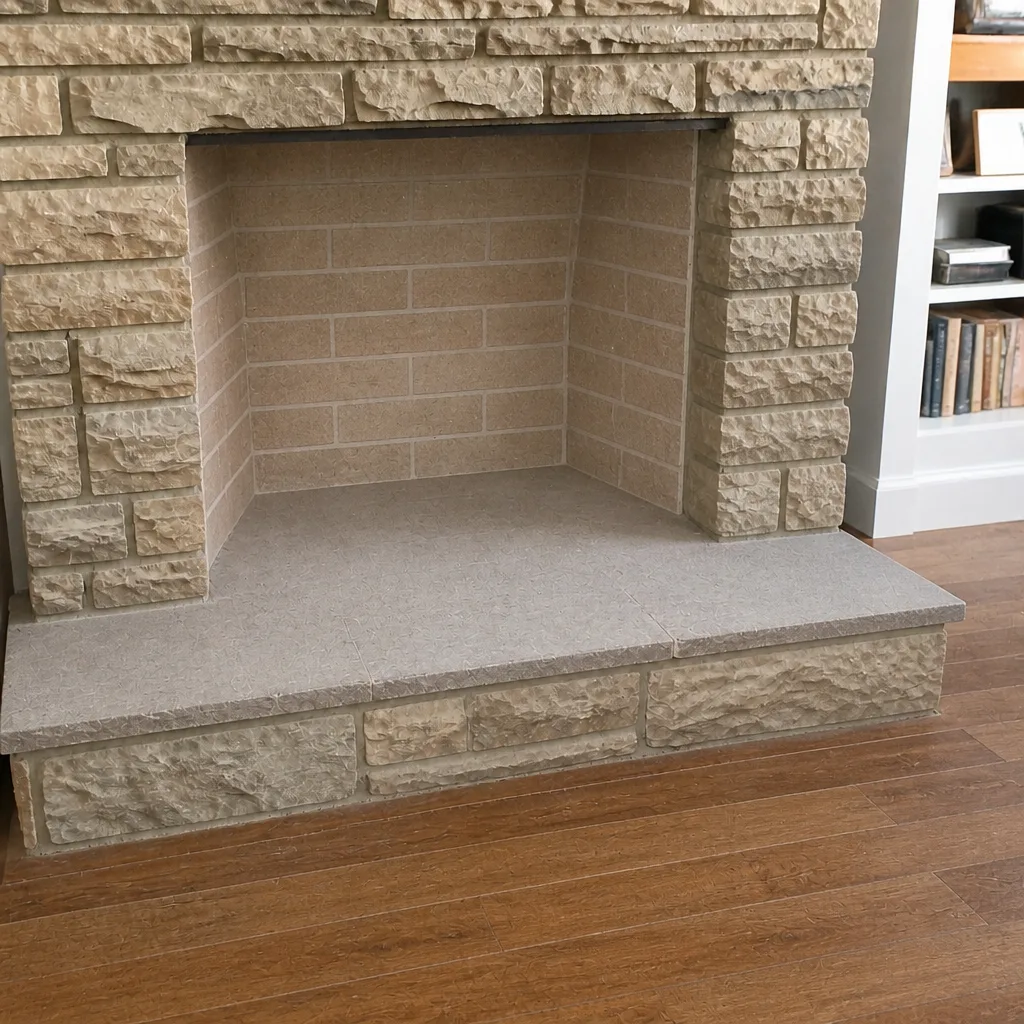
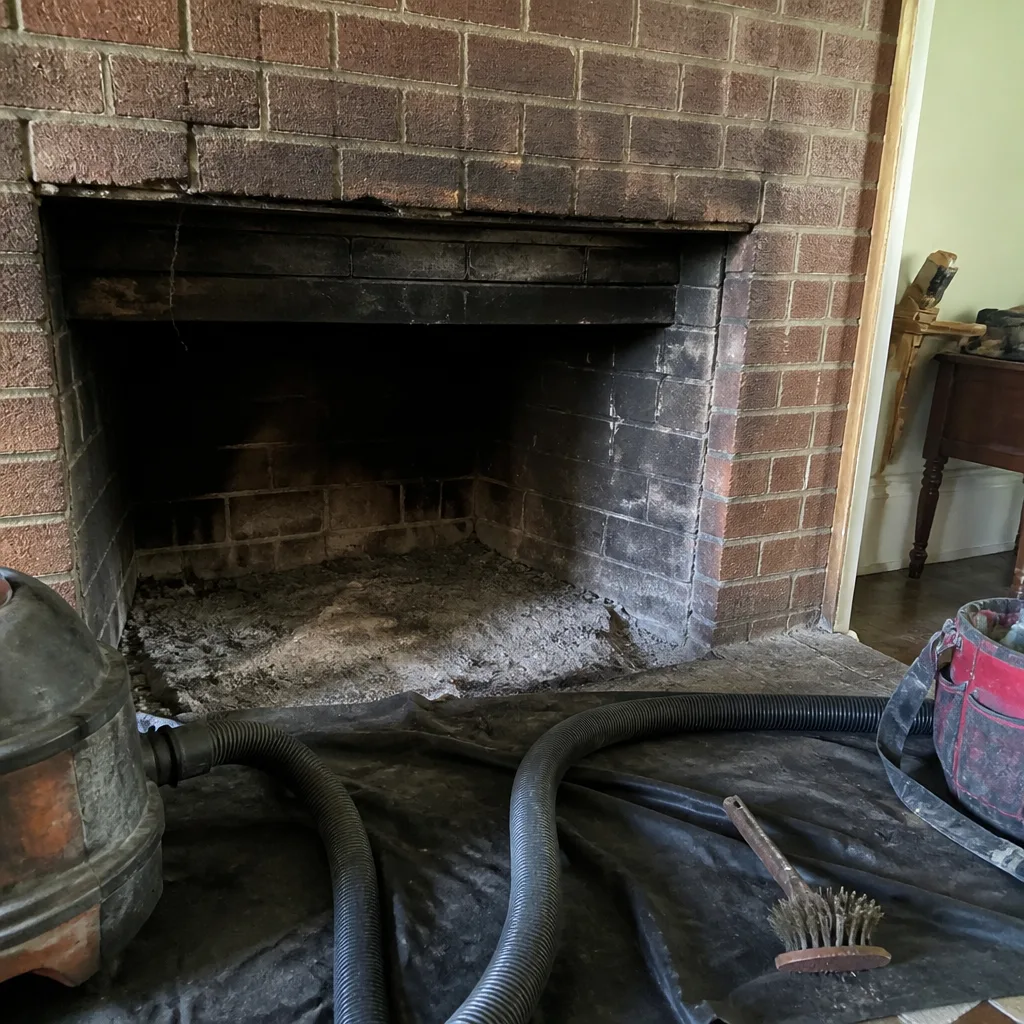
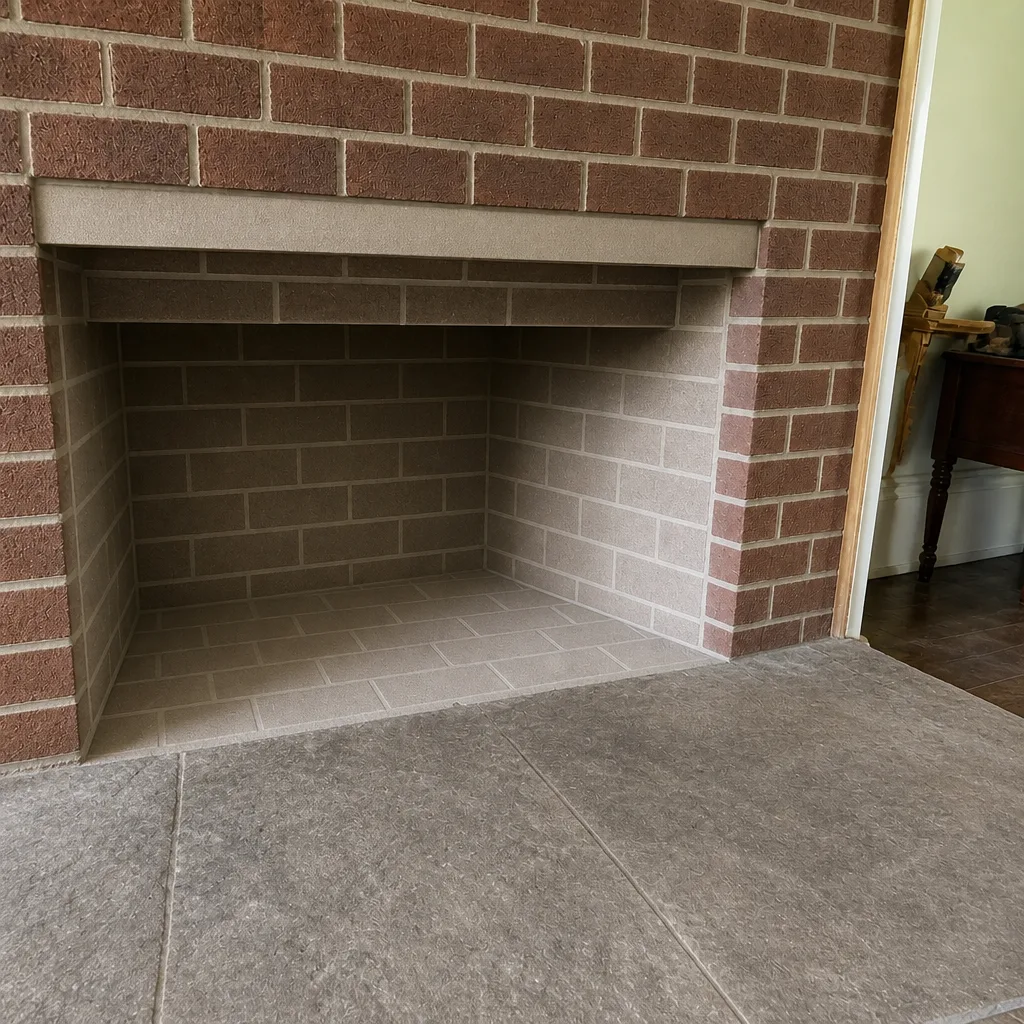
See the difference
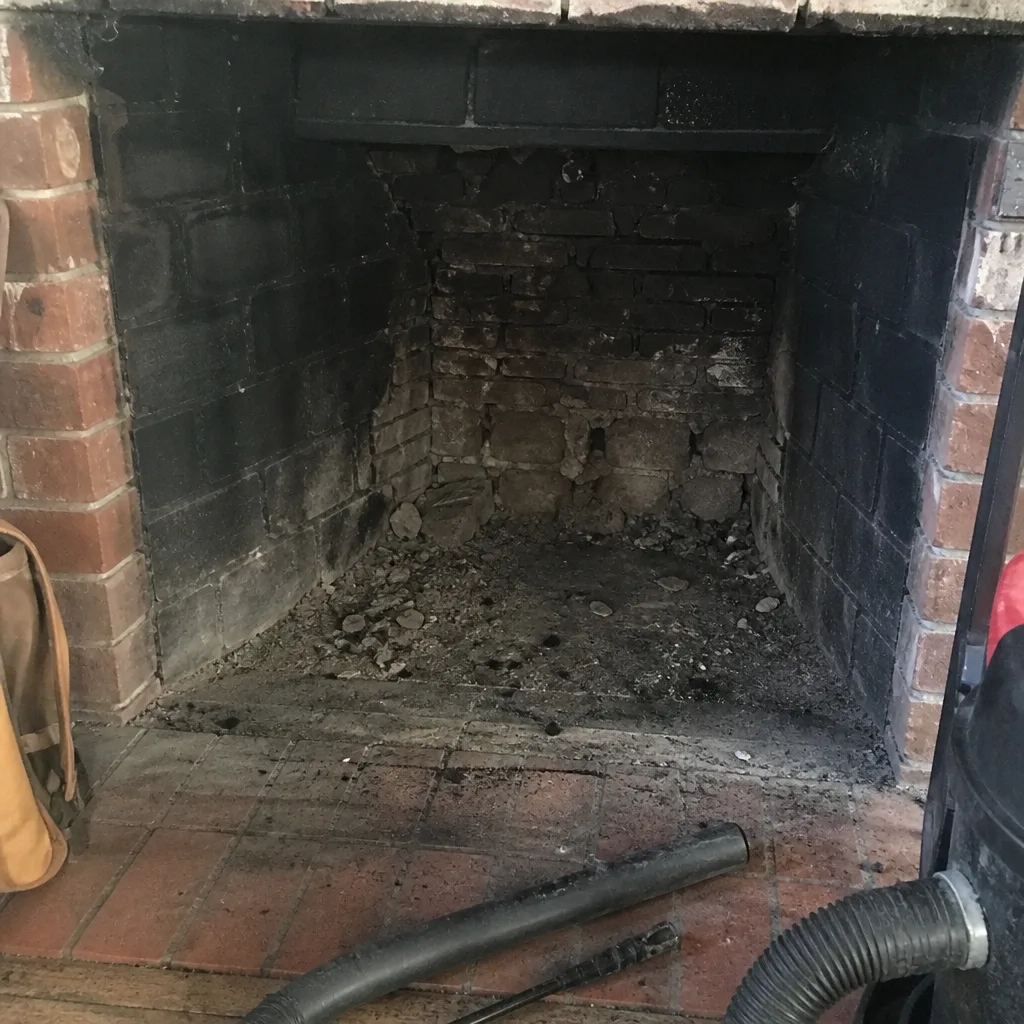 Before
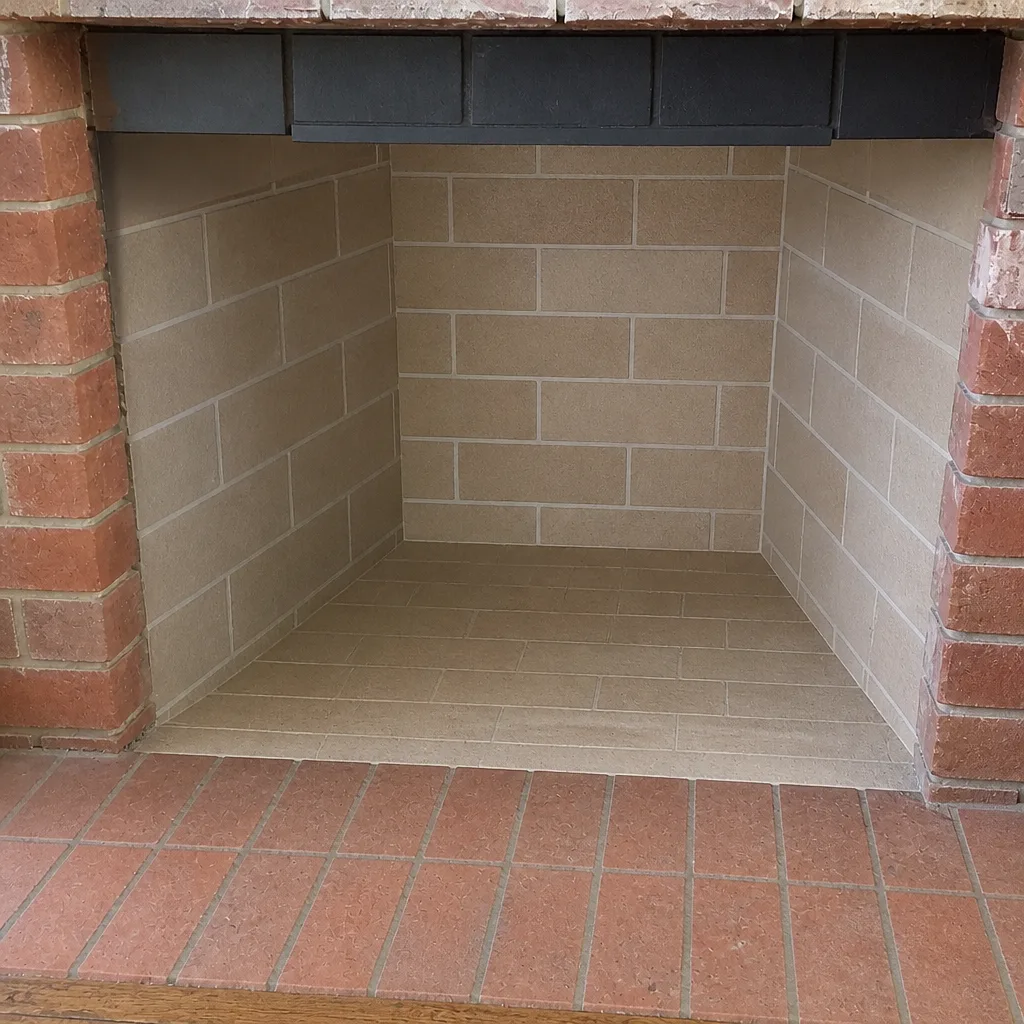 After
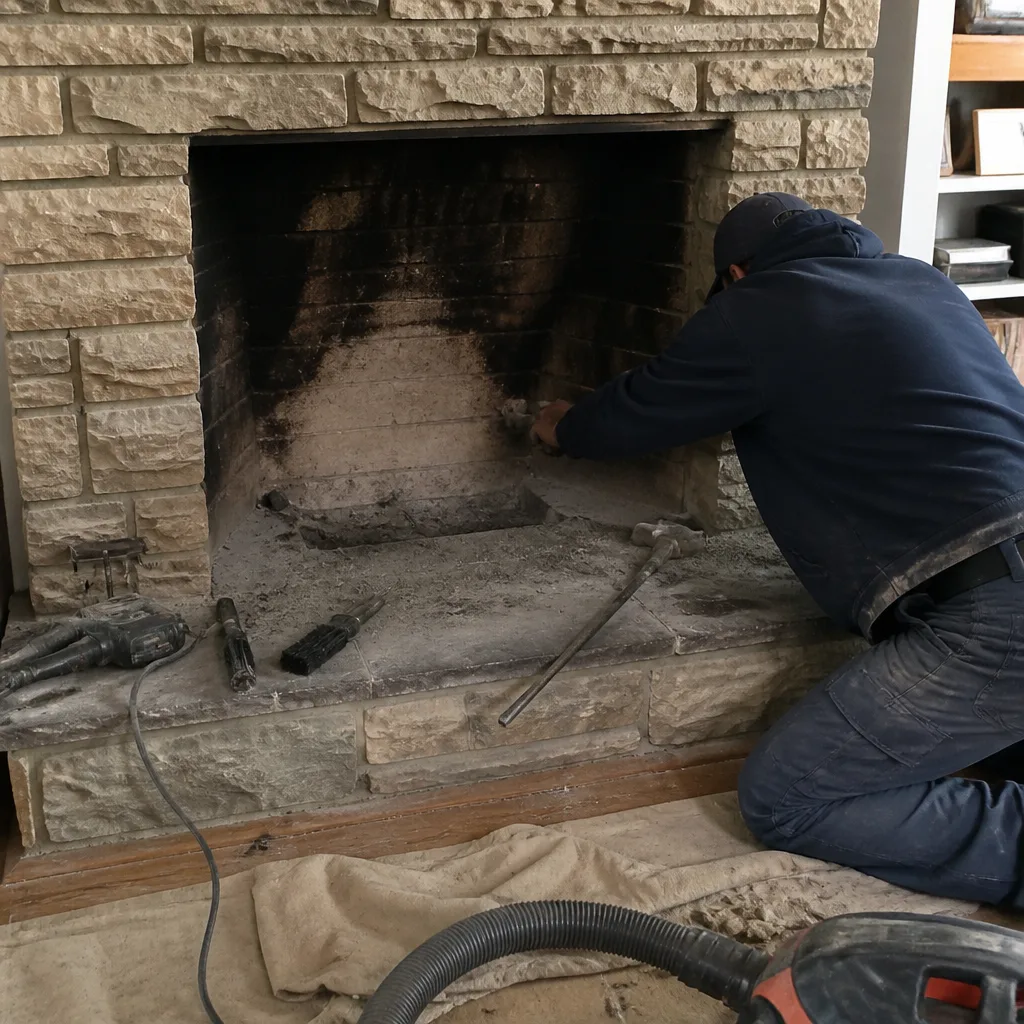 Before
 After
 Before
 After
When to Call a Professional
Some chimney work is straightforward observation, and it’s good to know what to look for. Other work needs a trained professional, and high on that list is anything involving the flue interior, the liner, the structural masonry or the smoke chamber. Liner and flue work involves height, confined spaces and fire safety, and getting it wrong puts the whole house at risk.
Call a professional if you see:
- Smoke backing into the room consistently, not just at cold start-up.
- Efflorescence or spalling on exterior brick that’s spreading.
- Visible cracks in the crown or loose mortar at the top of the chimney.
- Rust, staining or a damp firebox suggesting water intrusion.
- A flue that has never been inspected, or hasn’t been inspected in years.
- A gas appliance connected to the chimney. Carbon monoxide is the real risk with gas flues, and it’s not something to diagnose by observation.
Wakefield Chimney Sweep Co offers free estimates in Wakefield. Call (833) 513-8375. We answer 24/7. Fast dispatch from 7am to 7pm, Sunday through Friday. Our technicians have up to 14 years of experience, and we work in the same professional-trade materials the industry installs in commercial buildings: DuraFlex, HeatShield, Copperfield, Olympia Chimney, Famco and Gelco.
Frequently Asked Questions
A wood-burning chimney should be swept once a year in most homes, and more often if you burn heavily or burn unseasoned wood. In Wakefield’s climate, we recommend sweeping at the end of the burning season so creosote isn’t sitting through the humid months. Inspect annually regardless of sweep frequency. Call (833) 513-8375 for an exact quote – estimates are free.
Not always. A liner is only due for replacement when the flue interior is damaged or deteriorated beyond what a resurfacing can address. A camera inspection shows you exactly what condition the liner is in, and that evidence decides whether you need a replacement, a HeatShield resurfacing or nothing at all. Never accept a liner replacement recommendation without seeing the camera footage yourself. Call (833) 513-8375 to schedule an inspection.
The most common outcomes are creosote buildup that raises chimney fire risk, moisture damage that spalls the brick and mortar, and a problem that gets more expensive to fix the longer it’s left. Creosote is the fuel for a chimney fire, and water doing slow damage through a cracked crown is the most common cause of chimney masonry repairs we see in Wakefield. It’s not dramatic, and that’s what makes it easy to skip. Call (833) 513-8375 if it’s been more than a year.
Yes. The system is dry, so moisture damage is stable, and there’s no burning season to work around. Liner inspections, structural repairs, crown work and waterproofing all cure better in summer. It also gives you the longest window before the first fire of fall. Call (833) 513-8375 to get on the summer schedule.
That’s usually a house pressure problem, not a chimney problem. In a well-sealed Wakefield home with modern HVAC, the furnace and exhaust fans can depressurize the house and pull air down the flue. A chimney specialist can identify this, but the fix belongs to an HVAC or air balance professional. We’ll tell you honestly which one you’re dealing with. Call (833) 513-8375 if you want us to look.
Efflorescence is a white, powdery salt deposit left behind when water moves through masonry and evaporates on the surface. It’s a mineral sign of water movement, not biological growth. Mold is darker, often green or black, and grows on the surface. If you see white staining on a Wakefield brick chimney, it’s usually efflorescence, and it means water is finding a path through the brick or mortar. Call (833) 513-8375 for a look before it spreads.
The Bottom Line
The seasonal schedule most homeowners follow – one fall sweep and hope for the best – misses most of the year. A better approach is four touchpoints: spring inspection for moisture damage, summer for repairs and waterproofing, fall for the sweep-first, inspect-second, repair-third sequence, and winter for watching how the system actually performs. Track it on one page. Patterns show up over three to five years, and those patterns tell you what’s due before it becomes a problem you discover in October. If you want the whole year handled by one chimney-only company, Wakefield Chimney Sweep Co connects you with the right local help. Call (833) 513-8375. We answer 24/7. Fast dispatch from 7am to 7pm, Sunday through Friday.
Written by the team at Wakefield Chimney Sweep Co.