
Last updated November 25, 2026
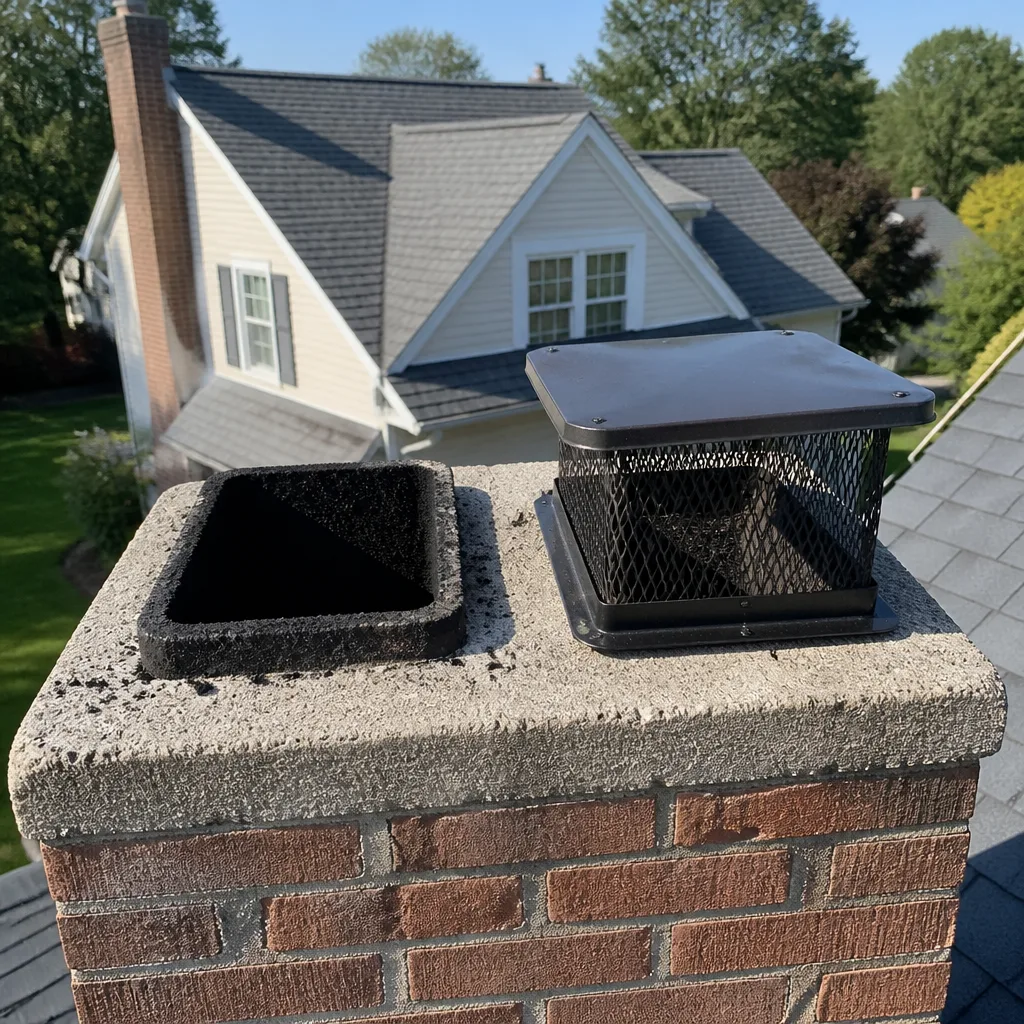 Sweep & inspection
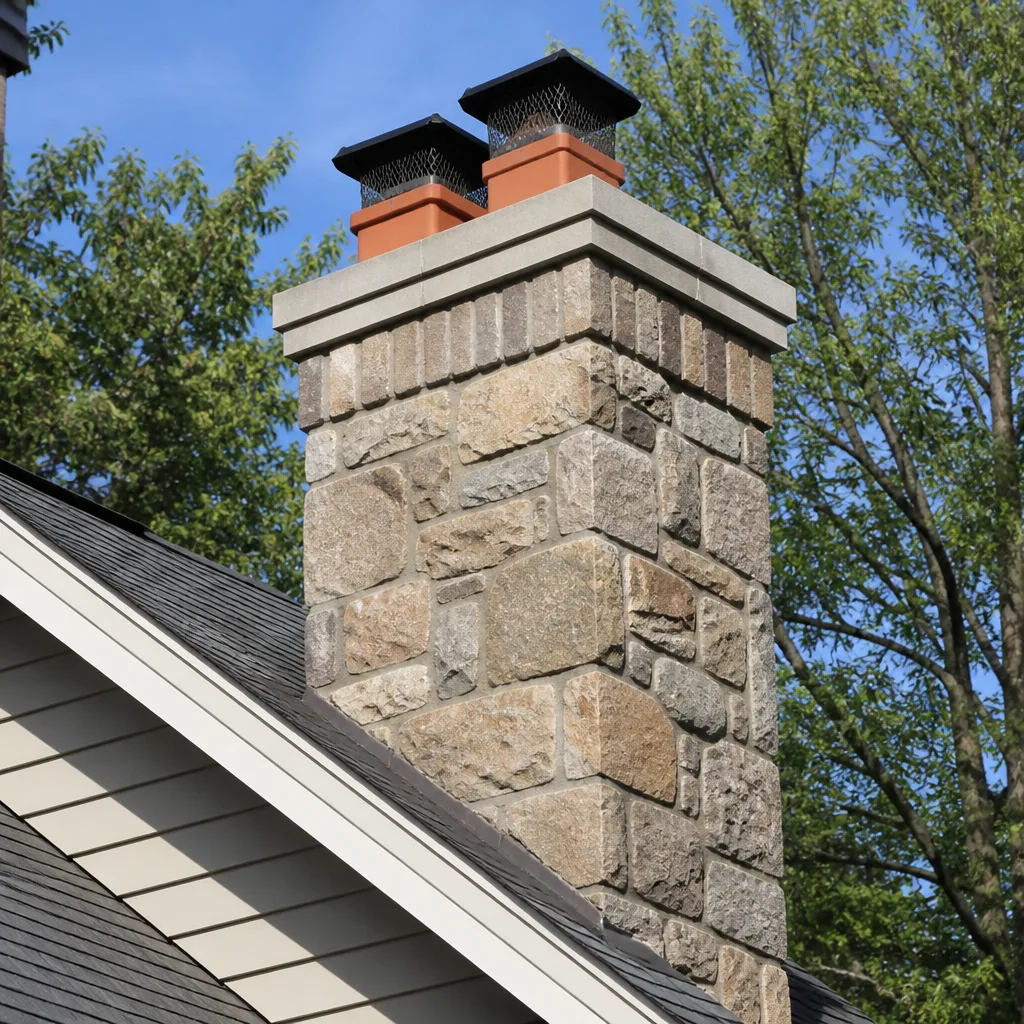 Caps & crowns
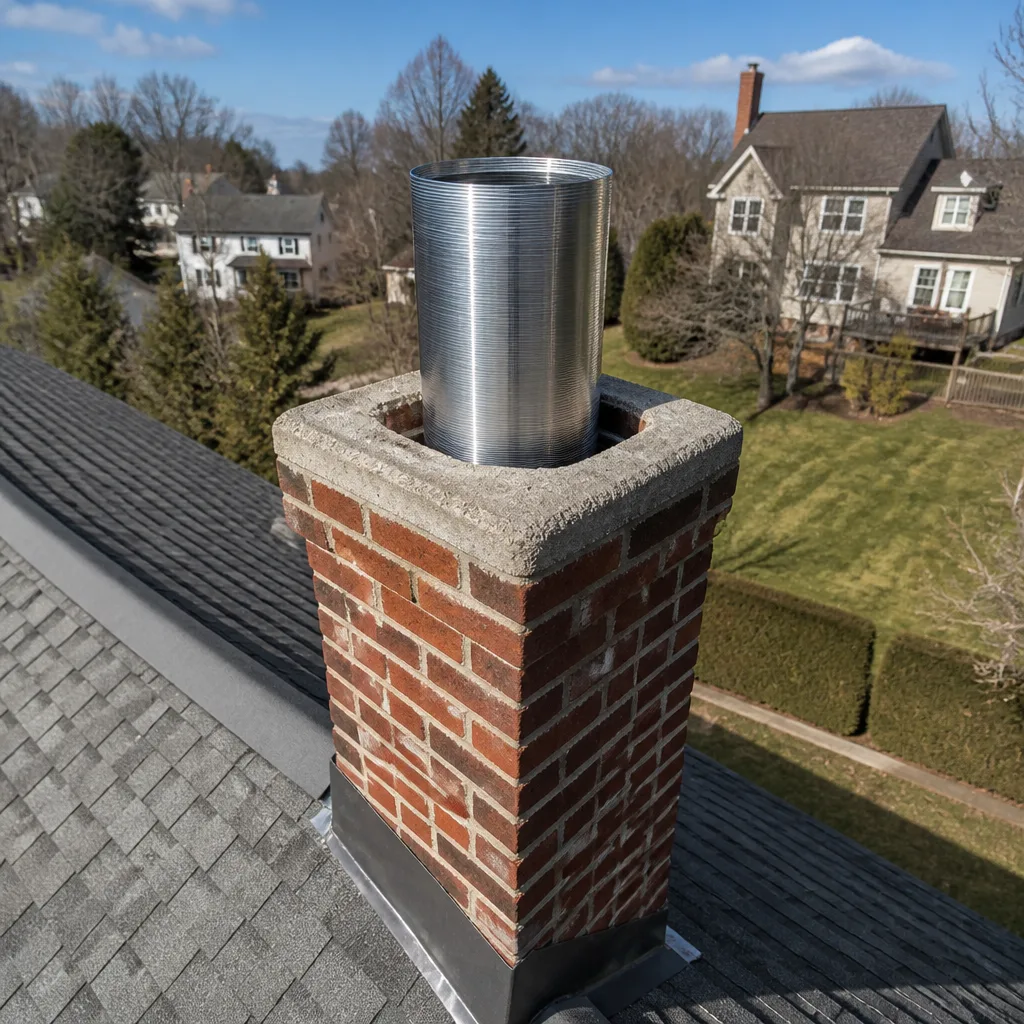 Flue relining
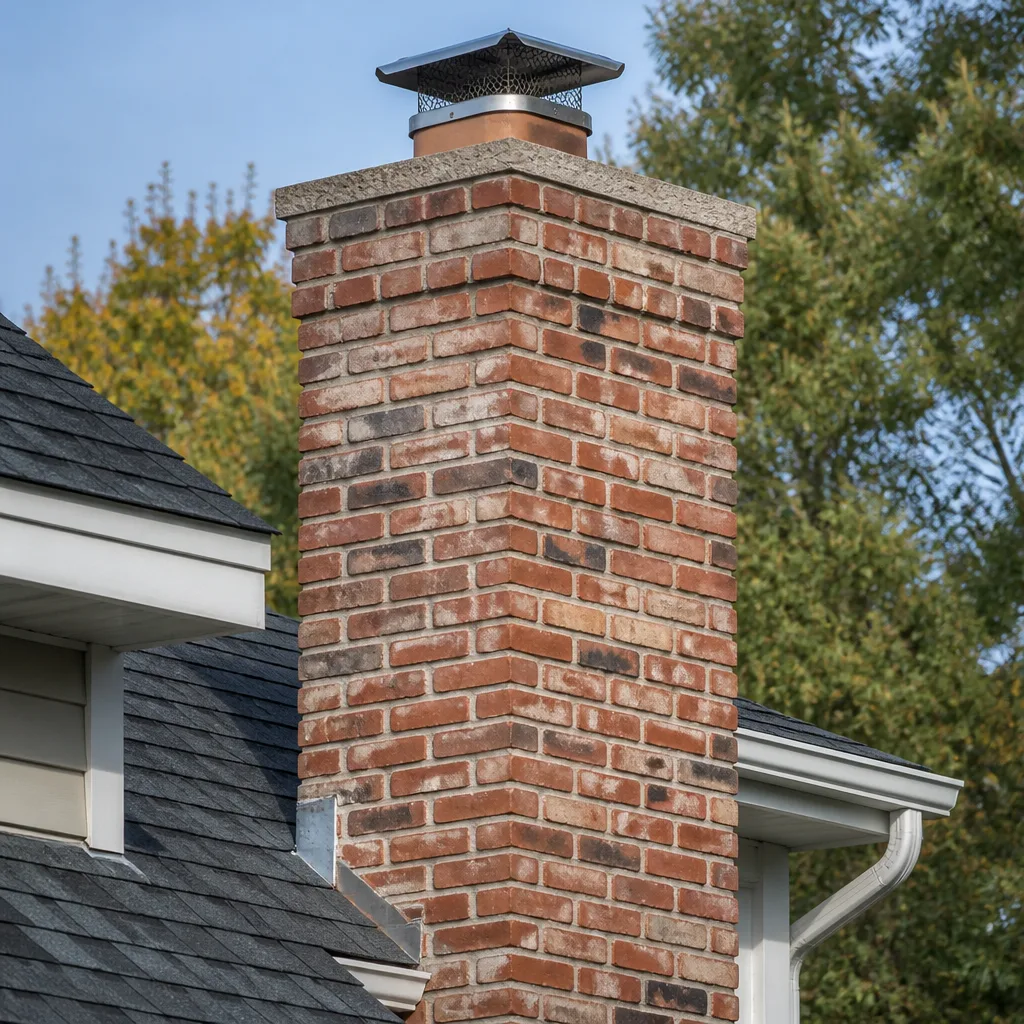 Masonry repair
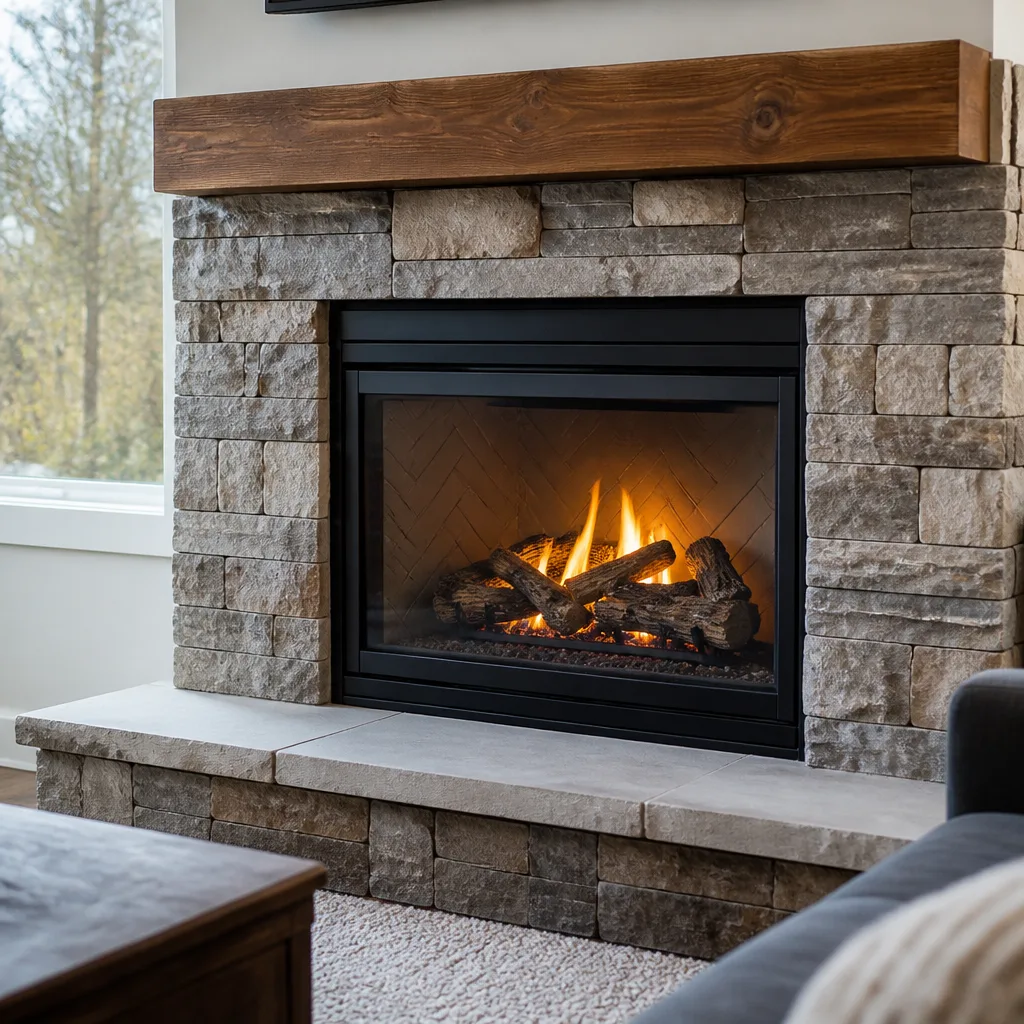 Gas fireplace service
Level 1 sweep and inspection to the NFPA 211 annual standard - flue, crown, cap, and flashing checked and photographed
Chimney sweep logs do not sweep chimneys. They loosen some creosote - which then falls where a brush and vacuum still have to collect it.
How to Hire a Chimney Cleaning Contractor in Wakefield: A Step-by-Step Guide
Three Wakefield-area homeowners in any given month hire someone to sweep their chimney, get a clean bill of health, and then have a problem by February. The issue isn’t the sweep itself. It’s that they hired for a task instead of a diagnosis. A sweep is a service. Understanding what’s happening inside your flue is the thing you’re actually paying for, and most homeowners don’t find that out until the smoke backs up. This guide walks through the hiring process from the first phone call to the report in your hand, with the specific questions that separate a full-system chimney specialist from a crew that runs a brush and moves on.
Quick Answer
Hire a chimney contractor in Wakefield by asking whether they diagnose before they quote. A full-system specialist inspects with a camera, tells you what your flue actually needs, and handles the repair themselves. A task-only crew gives you a price over the phone, sweeps, and refers you elsewhere if they find damage. Call (833) 513-8375 for a free estimate. We answer 24/7. Fast dispatch from 7am to 7pm, Sunday through Friday.
Styles & brands we work with
- Sweep & inspection
- Caps & crowns
- Flue relining
- Masonry repair
- Gas fireplace service
Table of Contents
- Why Diagnosis Comes Before the Quote
- The Five Questions to Ask Before You Book
- What CSIA Certification Actually Certifies
- How to Read Reviews for Chimney Contractors
- Red Flags in a Quote
- What a Legitimate Post-Service Report Looks Like
- Wakefield Conditions That Affect Your Chimney
- The Step-by-Step Hiring Process
Why Diagnosis Comes Before the Quote
A chimney contractor who quotes before they look is guessing. That’s the whole filter. When you call and someone says “that’ll be a flat rate for a sweep” without asking a single question about your fireplace, your fuel, or when the flue was last cleaned, they’ve told you how they work. They handle tasks. The problem they can’t see is the one that comes back in February.
The alternative is a contractor who asks first and quotes after. In Wakefield, that conversation starts with basic facts: wood-burning or gas, masonry or a factory-built unit, do you know when the flue was last swept, has anything changed about how the fireplace draws. None of that is small talk. Fuel type alone changes what a sweep involves, because creosote from wood smoke behaves nothing like the deposits left by a gas appliance. Liner type changes how a technician gets access to the flue. History changes everything about what to look for.
Diagnosis-first contractors will also tell you when work can wait. Not every flue that’s overdue is dangerous, and a specialist who understands the system can say plainly that a sweep now and a check next season is reasonable. That willingness to delay your job is one of the clearest signs you’re dealing with someone who diagnoses rather than sells.
What “diagnose first” looks like in practice
- Someone asks about fuel type and liner before naming a price.
- They ask when the chimney was last serviced and what prompted the call.
- They talk about a camera inspection as part of the visit, not an add-on you have to request.
- They can describe, in plain terms, what they’ll do if the inspection turns up damage.
If those four things happen on the phone, you’re likely talking to a full-system specialist. At Wakefield Chimney Sweep Co, every visit starts with an inspection so the sweep and any repair are based on what’s actually in the flue, not on an assumption about what a sweep usually involves.
The Five Questions to Ask Before You Book
Once you know to look for a diagnosis-first contractor, you need language to test for one. These five questions do the work. They’re specific enough that a task-only crew can’t fake the answers, and they cover the gaps where most homeowners get surprised.
- Do you use a camera to inspect the flue? A brush sweeps what it can reach. A camera shows the interior of the liner from top to bottom, including offset sections and joints that a brush passes but never inspects. If the answer is no, you’re hiring someone to clean a space nobody has seen.
- Can you get access to offset flue paths? Plenty of Wakefield homes have chimneys that don’t run straight up. A contractor who only works with rigid liner parts has to turn down complex or offset paths. Ask whether they work with flexible liner systems like DuraFlex, because that answer tells you whether they can actually reline a chimney like yours or will refer it out.
- What happens if you find structural damage? The answer should be: we do the repair. Crown damage, a cracked liner, a failing firebox – all of it gets resolved by the same company that found it. If the answer is “we’ll refer you to a mason,” you’ve just learned you’ll be managing two contractors and hoping they agree.
- What does the report include? Insist on photos. You should be able to see the evidence for every recommendation, in writing, before you approve anything.
- Do you work on the whole chimney system? A sweep-only outfit can’t fix what it finds. A specialist who handles chimney cap & crown work, liner replacement, and firebox repair can close the loop in a single visit instead of handing you a list of calls to make.
Those five questions take three minutes on the phone. They’re the difference between a seasonal cleaning and a system assessment. If a contractor can’t answer question three or question four without hedging, thank them and keep calling.
What CSIA Certification Actually Certifies
CSIA certification matters, but not for the reason most homeowners assume. It certifies the individual technician’s knowledge of chimney and venting fundamentals, and the credential has to be maintained through continuing education. What it doesn’t automatically tell you is whether the whole company operates as a specialist. Those are two different things, and in Wakefield the difference shows up in who calls you back when the inspection turns up something structural.
Certified technicians have passed an exam and stay current on how chimney systems work. That’s real and worth asking about. But certification is person-level. The company’s habits are the thing you’ll live with: whether they follow up on findings, whether they stock the right parts, whether the same person who swept your flue can tell you what the crown looks like and how to fix it.
The most useful version of this question is the one that ties certification to scope: “Is the technician CSIA-certified, and what does your company handle beyond the sweep?” You’re looking for a specialist answer.
- Certified sweep: one technician, verified training and continuing education, competent on the flue itself.
- Certified company with full-system scope: the technician plus inspection cameras, professional-grade liner components, and repair capability under one roof.
A contractor who works only with professional-trade components like HeatShield, Copperfield, Gelco, or DuraFlex is signaling that the company invests in product lines meant for long-term repair. That matters because the sweep is the easy part. What the components inside your chimney do over the next decade is what you’re really buying.
How to Read Reviews for Chimney Contractors
Reviews for chimney work are almost always positive about the sweep. “Great job, very clean, showed up on time” is the standard review, and it’s genuinely useful for judging punctuality and tidiness. What it hides is everything that matters: whether the technician found the problem, whether they explained it, and what happened when they did.
Here’s how to read the reviews that actually tell you something.
- Look for reviews that describe the diagnosis. A review that says “they found a cracked crown we didn’t know about and showed us photos” tells you the company inspects and documents. A review that only says “clean and polite” tells you nothing about the work.
- Read the negative reviews for tone, not content. Chimney work produces real findings, and some homeowners don’t want to hear them. A one-star review that reads “they said I needed a liner repair and I didn’t like the price” is often a sign of honesty, not a red flag.
- Notice what’s missing. If no review mentions photos, a written report, or a repair handled by the same company, you don’t know if the company does those things. Absence isn’t proof they don’t; it’s a reason to ask.
- Look for repeat business. A homeowner who brought the same company back over multiple years is telling you the relationship held up past the first service.
Specificity is the filter. Reviews with specific details about the inspection, the findings, and the repair are more informative than a page of five-star praise with no particulars. In our experience talking with Wakefield homeowners, the complaints that hold up best are the ones about surprise findings with no documentation, and the recommendations that hold up best describe a contractor who walked them through what was found.
Red Flags in a Quote
The clearest red flag is a price given over the phone before anyone asks about your fuel type, liner, or last service date. You can’t price a chimney job without knowing what’s in the flue, and a contractor who tries is either planning to add charges later or to sweep what they can reach and call it done. Either way, you’re the one who finds out in the winter.
Other signs to watch for:
- No questions about your appliance. Wood vs. gas, masonry vs. factory-built, insert vs. open hearth – each one changes the work. Silence on all of them means the crew is working from a template.
- No mention of a camera or a report. You’re buying a diagnosis. If it isn’t part of the quote, it isn’t part of the service.
- Pressure to decide on the spot. Chimney hazards are real, but a legitimate finding can be documented, photographed, and reviewed. A contractor who won’t let you take the report and think about it is selling, not advising.
- Vague scope on repairs. “We’ll fix the crown while we’re up there” with no written scope and no price is how small jobs grow. Ask what specifically will be done, with what material, and for how much.
- A recommendation with nothing behind it. Liner replacement is a real cost, and it’s sometimes genuinely necessary. But you should be able to see the evidence for it. If a contractor can’t show you the inside of your flue, you have no way to evaluate the recommendation.
- Repairs referred out. A sweep that finds structural damage and hands you off isn’t solving the problem. Work done by different contractors on different schedules is how a small flue issue becomes a bigger repair.
The best defense against all six is demanding documentation. A camera inspection with photos included in the report separates a diagnosis from an upsell. That’s why we don’t recommend anything without showing the homeowner what we found – the evidence should stand on its own, and sometimes the right recommendation is to do nothing this year and check again next season.
What a Legitimate Post-Service Report Looks Like
A proper post-service report tells you what was found, what was done, and what to watch. If you can’t get one in writing, walk away. This isn’t bureaucracy. The report is your record of the chimney’s condition at a point in time, and it’s how you’ll know whether next year’s findings represent a change or a pre-existing condition.
Here’s what a legitimate report contains:
- The appliance and fuel type. What was serviced and what it burns.
- Access method. How the technician reached the flue and what they could and couldn’t see.
- Inspection findings with photos. The interior of the flue, the crown, the cap, the firebox. Photos should be attached or provided, not just described.
- What was cleaned and where the debris came from. Creosote buildup, soot, animal nests, or a combination.
- Any issues found, with a clear recommendation. Repairs that are needed now, repairs that can wait, and the reasons for each.
- What happens next. When to schedule the next inspection and what the homeowner should watch for in between.
A report without photos is a claim. A report with photos is evidence you can evaluate for yourself. If a contractor finishes work and can’t produce both, they’ve skipped the diagnosis step, and you have no way of knowing what state your chimney was in when they arrived or left. At Wakefield Chimney Sweep Co, the inspection and photo report are part of every visit, because the written record is what lets you compare this year to next.
Wakefield Conditions That Affect Your Chimney
Chimney condition is local. Wakefield’s climate swings hard between humid summers and cold winters, and that cycle works on masonry. Freeze-thaw movement opens hairline cracks in a crown and widens them season after season. A crown that looks fine from the ground can be holding water into the flue structure underneath. The masonry itself, warmer and wetter in summer and colder in winter, moves enough that small defects have time to grow between heating seasons.
What that means for the hiring decision is that Wakefield homes need a contractor who can handle the whole system, not just the flue interior. Crown and cap condition, flashing where the chimney meets the roof, and the firebox interior all take wear from the same weather. When one of those gets ignored, it shows up as water in the flue or smoke pushing into the room, and by then the repair is bigger than the maintenance would have been.
- Wood-burning appliances in Wakefield produce creosote through the heating season, and a slow-burning fire with restricted air makes it worse. Sweeping before the first cold snap is the sensible schedule.
- Gas fireplaces still need inspection. A gas unit’s deposits aren’t creosote, but the flue, vent, and cap still need checking.
- Crowns and caps on older Wakefield homes are the most common place a small issue gets overlooked, because nobody sees the top of the chimney without getting on the roof.
The seasonal rhythm here is straightforward: sweep and inspect before heating season, not after. A Wakefield homeowner who books the sweep in late summer has the whole season to address whatever the inspection found, without pressure.
The Step-by-Step Hiring Process
Here’s the process in order. It takes less time than it looks like, and it means the first person you hire is the right one.
- Define what prompted the call. Overdue sweep, smoke backing into the room, an odd smell, a new home, or just not knowing when it was last done. The reason shapes what you should ask about.
- Call two or three contractors and use the five questions. Listen to how each handles the camera question and the “what if you find damage” question. The ones who answer clearly and specifically move forward.
- Confirm what’s included before booking. Inspection, sweep, photo report. Know what’s a part of the visit and what’s separate.
- On the day of service, watch for the camera. If the inspection is supposed to happen, you should see the equipment and hear about what it found before the technician leaves.
- Review the report before approving work. Look at the photos. Read the recommendation. Ask why, and expect a plain answer. If a repair is needed, get a written scope and price before work begins.
- Handle repairs with the same company. In-house fireplace repair and crown work means one company is accountable for the whole outcome, not a chain of referrals.
- Book the next visit before the season starts. Regular chimney sweep service keeps the record continuous, which is what makes future inspections meaningful.
What you should have at the end of the process
- A written report with photos of the flue, crown, and cap.
- A clear recommendation: what needs work now, what can wait.
- A single company responsible for both findings and repairs.
- A date on the calendar for the next inspection.
Common Mistakes to Avoid
- Hiring for the sweep and hoping for the diagnosis. The sweep is a task. Choose the contractor based on whether they’ll inspect and report, and the sweep comes with it.
- Taking a phone quote at face value. A number given before anyone asks about your fuel type or liner isn’t a price for your chimney. It’s a price for a generic one.
- Skipping the camera inspection to save time. The camera is the part of the visit that tells you whether your flue is safe. Saving fifteen minutes here is the wrong trade.
- Treating a clean sweep as a clean bill of health. A flue can be clean and still have a failing crown, a damaged liner, or a cap the wind has worked loose. The report is what tells you the difference.
- Approving a liner replacement you can’t see evidence for. If the recommendation isn’t backed by photos of your flue, ask for them. You’re entitled to see what you’re paying to fix.
- Waiting until December. Wakefield freeze-thaw cycles have their say through the winter. Inspect in late summer so repairs can be planned instead of rushed.
- Letting the repair go to a second contractor. A sweep that hands off structural findings leaves you coordinating two companies with no shared record of the chimney’s condition.
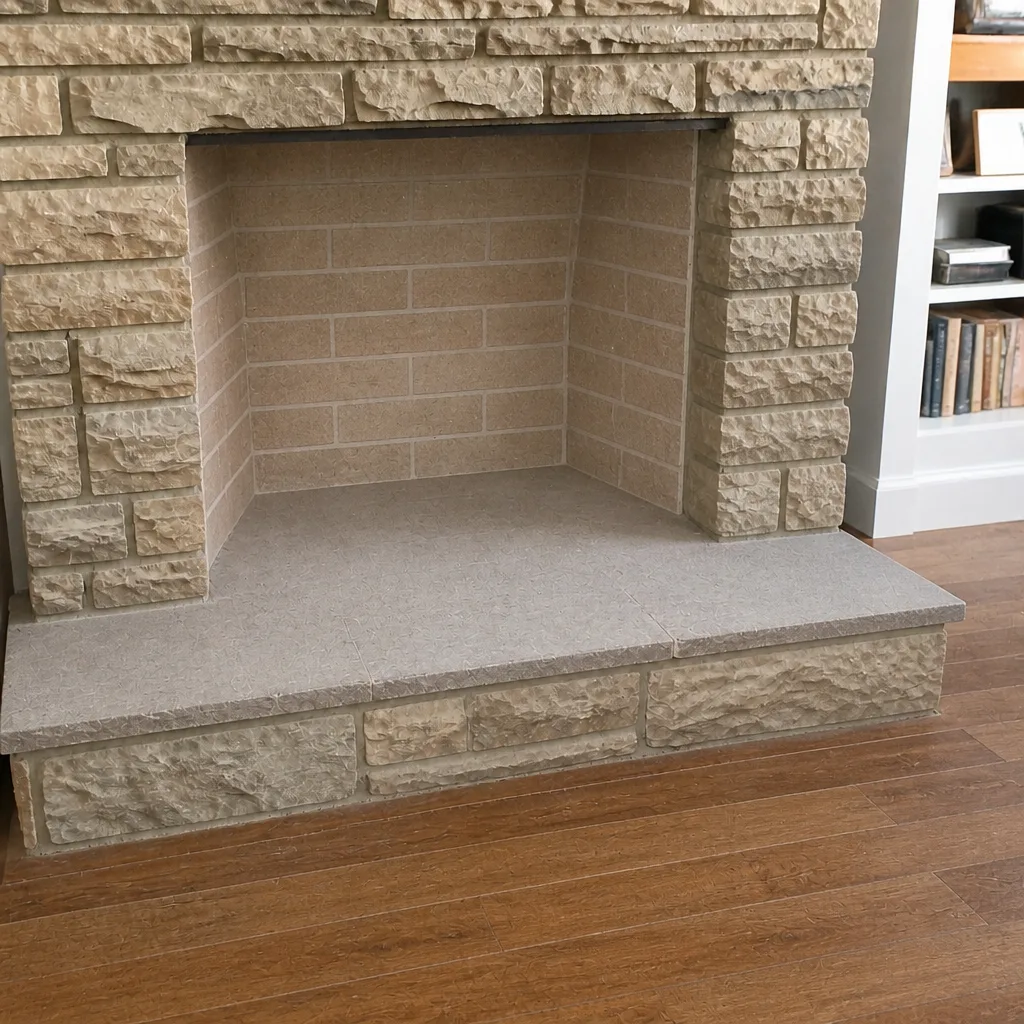
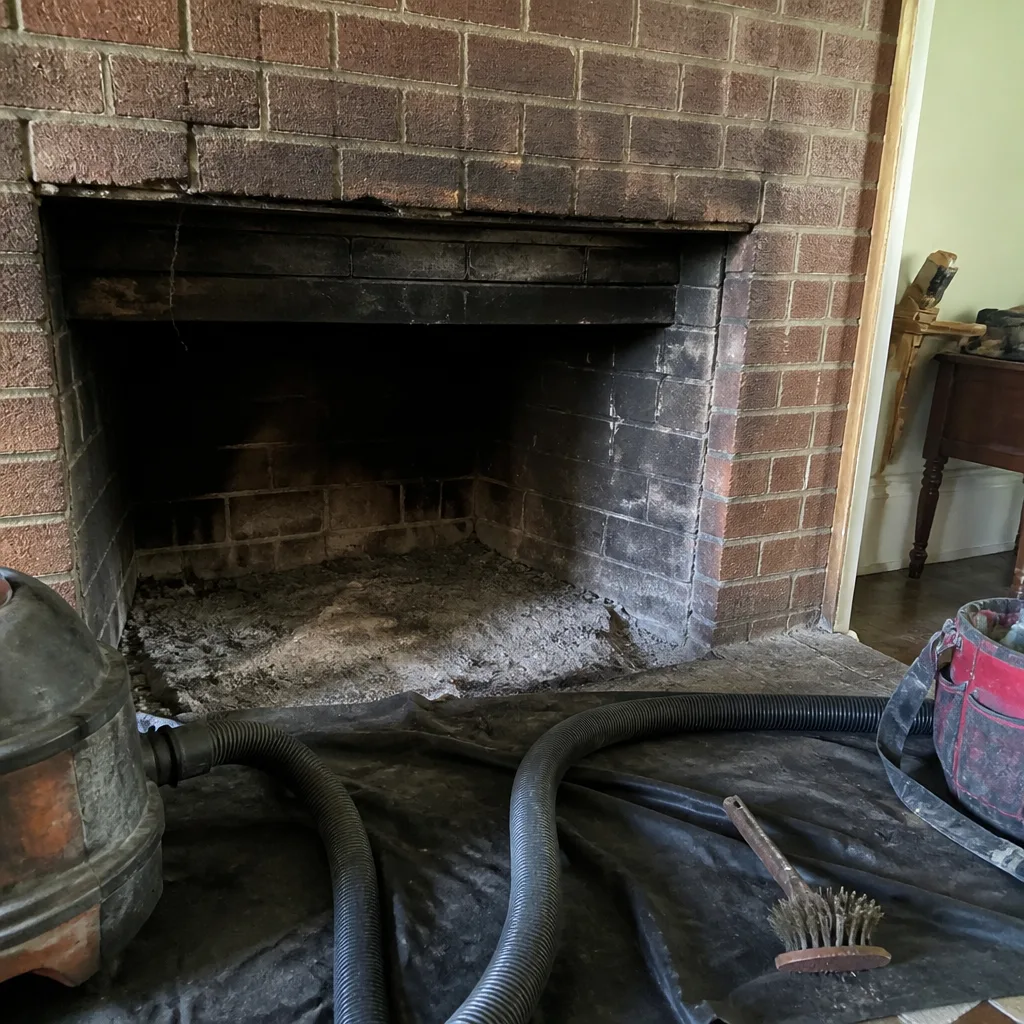
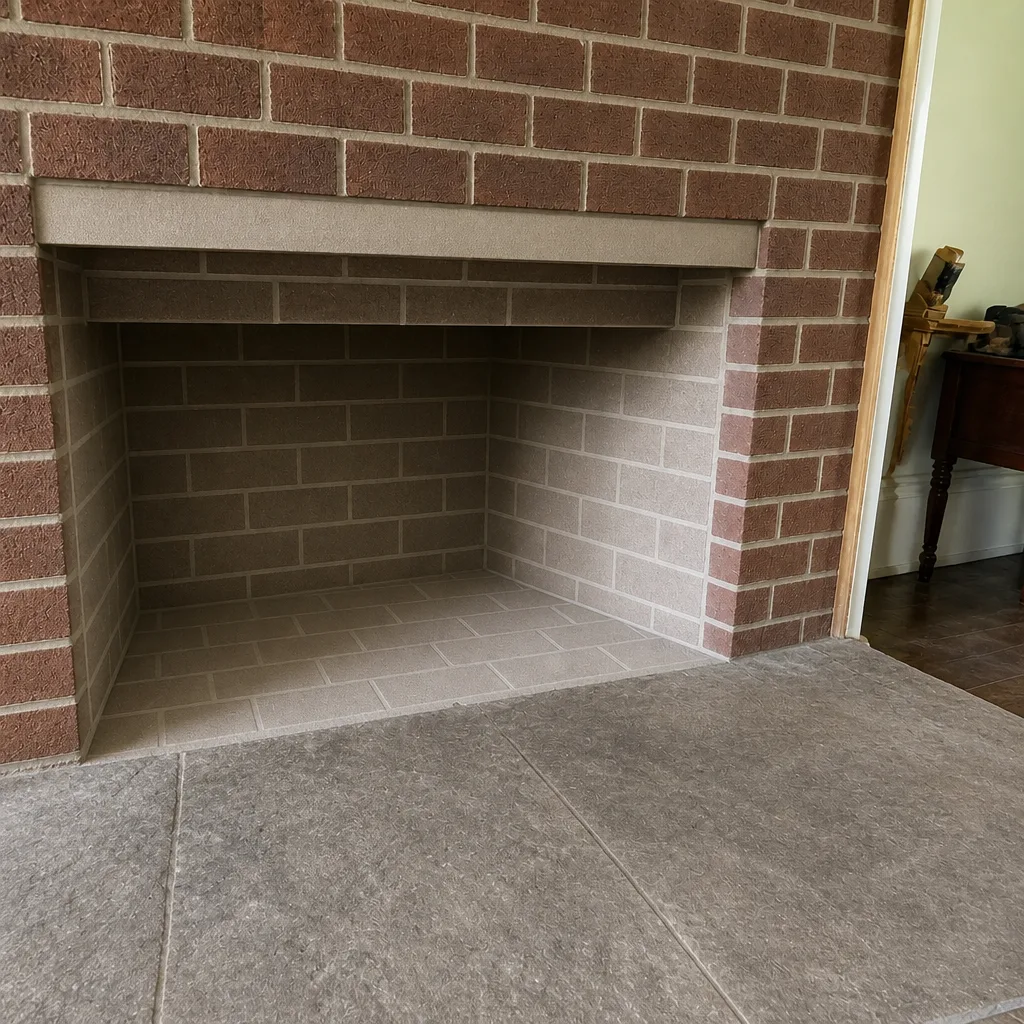
See the difference
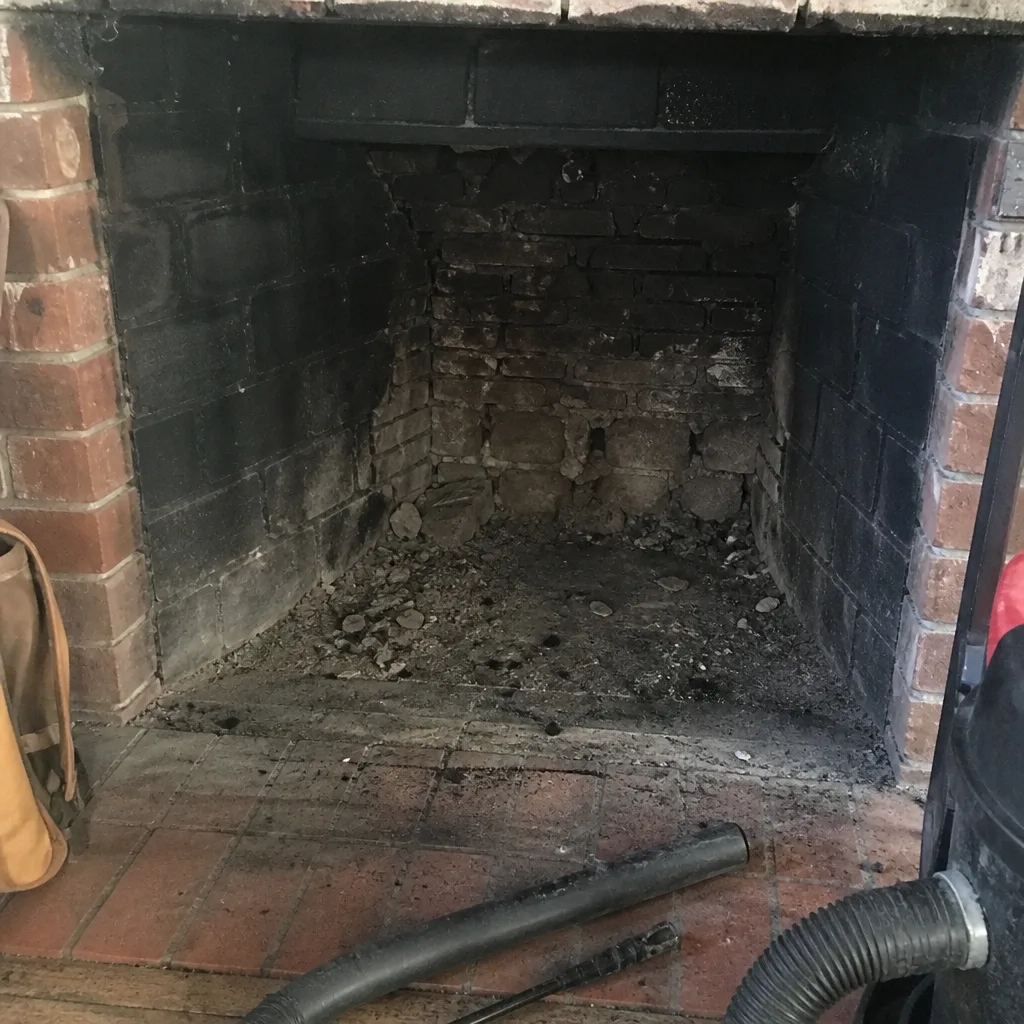 Before
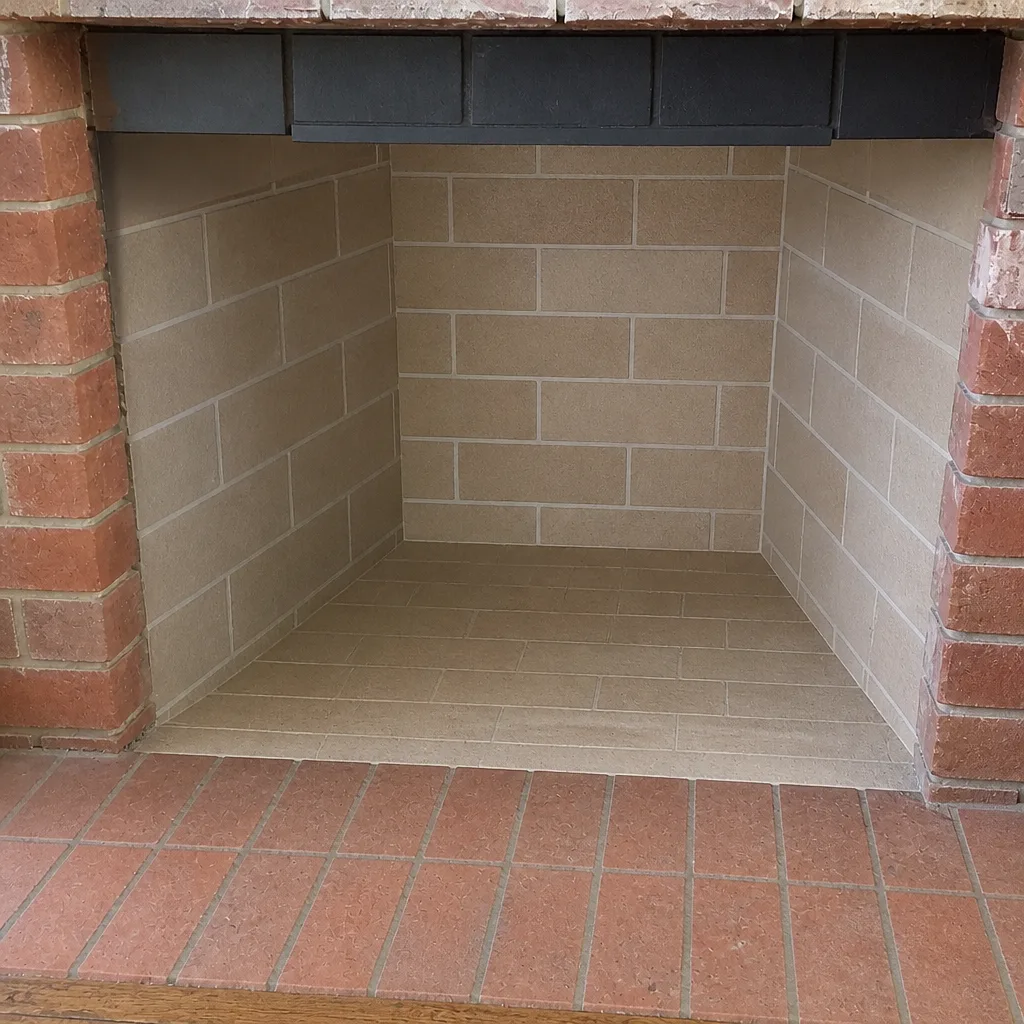 After
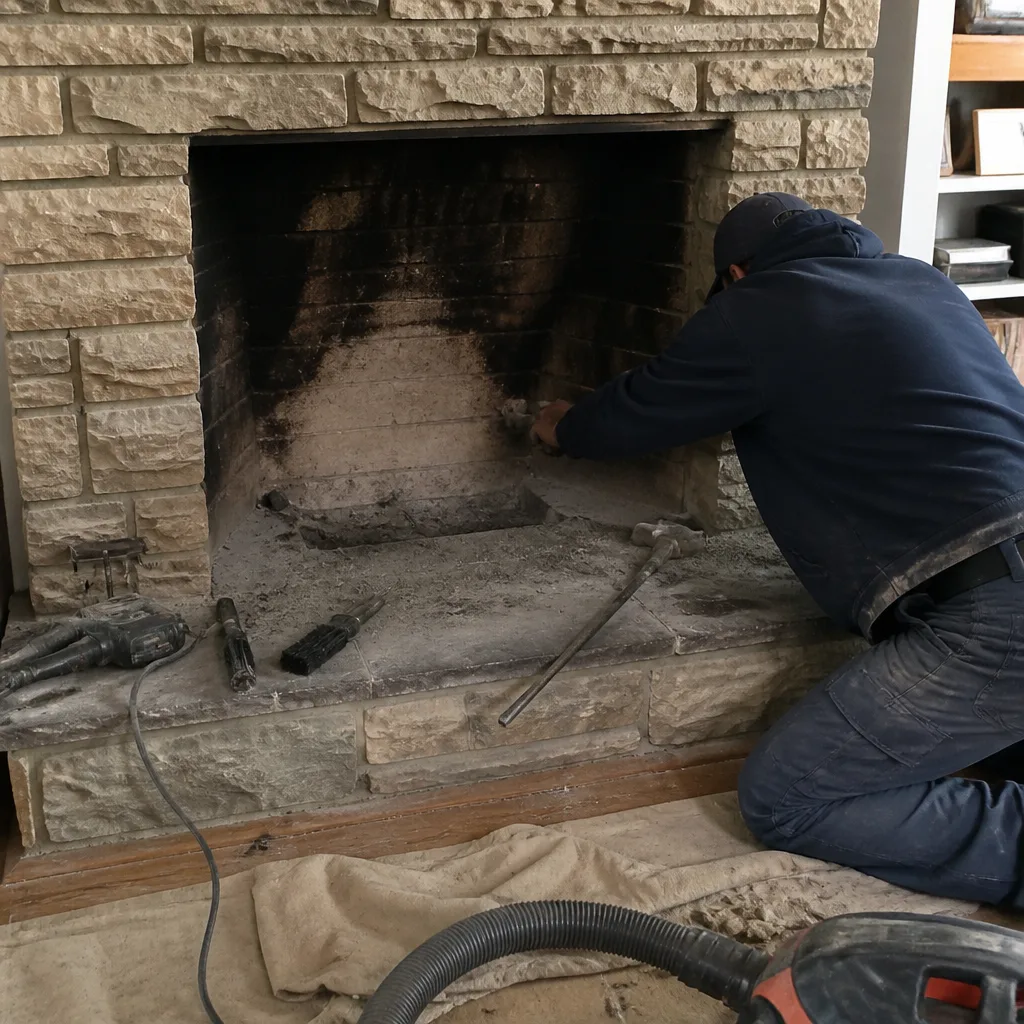 Before
 After
 Before
 After
When to Call a Professional
Some chimney problems are obvious and some aren’t, but the ones in the first group should never be handled without a trained technician. A chimney fire, a collapse in the flue, smoke backing into the living space, or the smell of gas anywhere near a fireplace are reasons to stop using the appliance and call for inspection and repair. So does a loose cap, visible spalling on the exterior brick, or water staining on the ceiling near the chimney chase. Creosote buildup at higher levels is a real fire risk, and it’s not something you can judge from the firebox floor.
On the less urgent side, a scheduled sweep, a check before your first season in a new Wakefield home, or an inspection after a chimney fire or storm damage should all be booked with a specialist who can diagnose and repair. Wakefield Chimney Sweep Co offers free estimates in Wakefield. Call (833) 513-8375. We answer 24/7. Fast dispatch from 7am to 7pm, Sunday through Friday.
Frequently Asked Questions
A typical chimney sweep in Wakefield is an estimate based on what the inspection finds, and the written estimate sets the final price. The cost depends on the appliance type, the liner, the amount of buildup, and whether the visit includes repairs. Prices are per job by estimate, not a fixed fee. Call (833) 513-8375 for an exact quote – estimates are free.
Yes, an annual inspection is the standard schedule for a chimney that’s in active use, because the conditions inside a flue change from season to season. A clean flue can still have a crown or cap problem that didn’t exist last year. Wakefield’s freeze-thaw cycles are exactly the kind of weather that grows small masonry defects. Call (833) 513-8375 to book an inspection.
CSIA certification applies to an individual technician’s knowledge; a certified company is one whose whole operation is built around chimney work. The question to ask is what happens to the findings – a full-system specialist handles the repair, a task-only crew refers it out. Wakefield Chimney Sweep Co is a chimney-exclusive trade contractor. Call (833) 513-8375 for a free estimate.
Ask for the camera footage or photos of your flue. You’re entitled to see the evidence before committing to a liner repair, and a contractor who won’t provide it is asking you to take the recommendation on trust. If the photos show a failing liner, the repair is real. If nobody can show you anything, ask why. Call (833) 513-8375 for an inspection with a photo report.
We don’t recommend it, for two reasons. First, the sweep itself is the easy part; the diagnosis is what you can’t do from the firebox floor without a camera and the training to read what it shows. Second, the flue interior, the crown, and the cap are only visible from the roof, and roof access on a chimney is a genuine fall hazard. A trained technician should handle the inspection and repair. Call (833) 513-8375.
It needs the appliance and fuel type, the findings, photos of the flue interior, crown, and cap, what was cleaned, and a clear recommendation for any repair with a note on what can wait. The report is how you’ll compare this year’s condition to next year’s. Without photos, you have no evidence to review. Call (833) 513-8375 for a free estimate that includes the report.
The Bottom Line
Hiring a chimney contractor in Wakefield comes down to one question: do they diagnose before they quote? Ask about the camera, ask what happens if they find damage, and ask what the report includes. A specialist who works with professional-trade systems like HeatShield for flue resurfacing and DuraFlex for flexible liner access can resolve what they find instead of referring it. A task-only crew sweeps and moves on. Choose the first kind, book before the heating season, and keep the reports; they’re the record that makes every following inspection meaningful. Call (833) 513-8375 for a free estimate. We answer 24/7. Fast dispatch from 7am to 7pm, Sunday through Friday.
Written by the team at Wakefield Chimney Sweep Co.